Are you dreaming of mastering the enchanting melodies of the flute? The journey begins with finding the right private lessons. But what about the costs involved?
Embarking on this musical adventure requires understanding the financial aspects of flute education. Private lessons offer personalized guidance, but prices can vary widely depending on several factors.
In this blog post, we’ll explore the variables that influence flute lesson costs, helping you make an informed decision. From the instructor’s experience to lesson frequency and location, each element plays a crucial role in shaping your musical investment.
Whether you’re a beginner eager to learn or an advanced player seeking to refine your skills, discovering the cost of private flute lessons will empower you to choose the best path for your musical growth.
Factors Affecting Private Flute Lesson Costs
When considering private flute lessons, it’s essential to recognize the diverse factors that can impact the costs. One primary factor is the instructor’s expertise. Highly experienced flutists or those with a robust teaching background may charge higher fees, reflecting their advanced skills and knowledge.
Location significantly influences lesson prices. Lessons in metropolitan areas or regions with a high cost of living typically involve higher rates compared to smaller towns. Accessibility and demand in your area can also play a role.
The duration and frequency of lessons are other important considerations. Weekly lessons might offer cumulative benefits, but they can add to the overall cost. Some students opt for bi-weekly sessions to balance their budget with their learning goals.
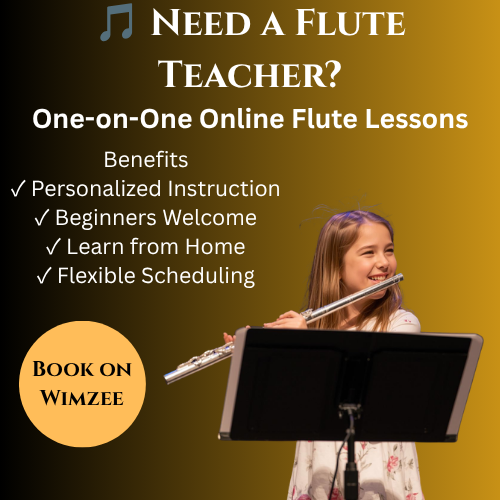
Lastly, lesson format—whether in-person or online—can affect pricing. Online lessons may offer more flexibility and competitive pricing, while in-person sessions may provide a richer, more interactive experience. Understanding these factors will help you navigate your options effectively.
Comparison of Pricing Models Among Flute Instructors
Flute instructors often offer a variety of pricing models to accommodate different needs and preferences, providing flexibility for students.
One common model is the pay-as-you-go approach, allowing students to pay for each lesson individually. This flexibility is ideal for those with unpredictable schedules, but it might come at a slightly higher per-lesson cost.
Another popular option is purchasing lesson packages, which can often reduce the per-lesson price. These packages typically require a commitment to a specific number of lessons, encouraging consistent attendance and progress.
Some instructors offer monthly subscriptions. This model usually includes a set number of lessons per month, providing a balanced and predictable structure for both learning and budgeting.
Comparatively, finding the right pricing model depends on your personal objectives, schedule, and financial plan. Exploring these options can lead to a rewarding and sustainable flute learning experience.
Average Hourly Rates for Private Flute Lessons in Different Locations
When exploring private flute lessons, it’s valuable to understand how rates vary by location. In urban centers like New York City or San Francisco, hourly rates can range from $70 to $150, influenced by the higher living costs and demand for experienced instructors.
In suburban areas or smaller cities, you might find average rates between $40 and $70 per hour. These locations balance accessibility with slightly lower living costs, offering more affordable lesson options without sacrificing quality.
Rural vs. Urban Pricing
In rural settings, the average rates might drop further, ranging from $30 to $50 per hour, depending on the availability of qualified instructors. However, this can lead to fewer choices for students seeking specialized instruction.
Ultimately, finding the right fit involves considering not just the cost, but the value each lesson offers for your personal flute journey. Whether in a bustling city or a quiet town, aligning your options with your goals ensures a harmonious start to your musical adventure.
Additional Expenses to Consider When Budgeting for Flute Lessons
While determining the costs of flute lessons, it’s important to consider potential additional expenses that can influence your budget.
Purchasing a quality flute is a primary investment. While beginner flutes range from $150 to $500, professional models can cost significantly more. Renting might be an option for those not ready to commit immediately.
Music books and sheet music are essential for learning. These materials can add up over time, depending on your repertoire and level of advancement. Joining music ensembles or participating in recitals may also involve entry fees or travel expenses.
Some students invest in accessories like cleaning supplies, stands, or metronomes to enhance their practice. These small costs can contribute to overall expenses, ensuring a well-rounded learning experience.
Understanding these additional costs helps create a comprehensive budget, paving the way for a successful and enriching flute education.
Benefits of Investing in Premium Flute Instruction
Investing in premium flute instruction offers numerous advantages, particularly for those committed to mastering their craft. One significant benefit is receiving tailored guidance from highly skilled instructors. Their experience allows them to quickly identify your strengths and areas for improvement, fostering efficient progression.
Premium instructors often employ advanced teaching techniques and resources, providing a more comprehensive learning experience. This can lead to a deeper understanding of music theory, technique, and flute repertoire.
Advanced Performance Opportunities
Students of premium instructors may gain access to exclusive performance opportunities or masterclasses. These events can provide invaluable experience and networking opportunities with other musicians and industry professionals.
Furthermore, premium instruction often includes personalized feedback and mentorship, helping you set realistic goals and stay motivated. The investment in high-quality lessons can accelerate your growth as a flutist, creating a rewarding and fulfilling musical journey.
How to Negotiate Pricing for Private Flute Lessons
Approaching the cost of private flute lessons with confidence can open doors to better pricing options. Begin by researching the typical rates in your area to understand the market baseline. This information is crucial for meaningful negotiations.
When you speak with potential instructors, express your genuine interest in learning and your current budget constraints. Many instructors appreciate transparency and may offer flexible arrangements such as discounts for lesson packages or extended trial periods.
Exploring Long-term Commitments
Consider discussing long-term commitments. Some instructors are willing to offer reduced rates for students who commit to a series of lessons, ensuring ongoing engagement.
Additionally, inquire about alternative lesson structures, like group sessions, which might be more cost-effective. Remember, building a rapport with your instructor can also aid in establishing a mutually beneficial arrangement. Effective communication and openness can lead to finding a price that suits your budget while supporting your musical aspirations.
Tips for Finding Affordable Yet Quality Flute Instruction
Finding affordable, high-quality flute instruction is possible with a strategic approach. Start by leveraging local music schools and community centers, which often provide lessons from qualified instructors at reduced rates. These institutions may also have student-teacher programs where advanced students offer lessons at a lower cost.
Online platforms can further open up a range of cost-effective options. Websites that connect students with instructors worldwide often feature reviews and ratings, helping you ensure quality while maintaining an affordable budget.
Utilize University Resources
Consider contacting university music departments. They frequently offer lessons from student teachers or recent graduates eager to gain teaching experience. These instructors, while newer, bring fresh insights and are often supervised by experienced faculty, ensuring a well-rounded education at a lower price.
Engage in forums and social media groups dedicated to music education. Fellow musicians may share recommendations or promotions for flute instruction in your area, helping you discover hidden gems that meet both your quality standards and budgetary needs.
Conclusion: Making Informed Decisions About Private Flute Lesson Costs
As you embark on your journey to become a proficient flutist, understanding the costs associated with private lessons is crucial. By examining the factors affecting pricing, comparing different models, and recognizing potential additional expenses, you are better equipped to budget effectively.
Opting for premium instruction may seem expensive initially, but the long-term benefits in skill enhancement and opportunities for growth can be invaluable. It’s important to consider what you value most in your musical education and how much you’re willing to invest to achieve those goals.
Negotiating pricing and exploring affordable options doesn’t mean compromising on quality. By leveraging online resources and seeking instruction from up-and-coming teachers, you can find a balance between cost and quality that suits your needs.
In the end, being well-informed will allow you to make strategic decisions, ensuring that your flute learning experience is both fulfilling and financially manageable. Whether you’re just starting out or looking to refine your skills, investing wisely in flute lessons is a step toward a rewarding musical journey.
Enjoyed this article? Download my FREE Flute Gift and receive 5 beginner hymns plus a printable practice tracker.


You Might Also Like: