How Much are Flute Lessons?
Are you ready to embark on a melodious journey with the flute? Whether you’re a budding musician or a parent seeking lessons for your child, understanding the costs involved is crucial. The price of flute lessons can vary depending on several factors, and navigating this landscape can be confusing. Fear not! This guide will illuminate the path to affordable learning.
Flute lessons offer a rewarding experience that enriches musicality and discipline. But what determines the price tag? It’s a mix of teacher experience, location, lesson duration, and more. Knowing these details can help you make informed decisions, ensuring you get the best value for your investment.
As you explore the world of flute lessons, consider both in-person and online options. Each offers unique advantages and may impact the price differently. Also, don’t forget to account for additional expenses like sheet music, flute maintenance, and recital fees.
Stay tuned as we delve deeper into each cost component, offering tips and insights to help you orchestrate the perfect flute-learning plan. Let the music begin!
Factors Influencing Flute Lesson Costs
When it comes to the cost of flute lessons, a variety of factors come into play. First, consider the experience and qualifications of the instructor. A seasoned professional with a strong track record will likely charge more than a less experienced teacher. Their expertise can provide valuable insights and effective teaching methods tailored to your needs.
Location matters as well. Lessons in urban areas generally come with a higher price tag compared to those in smaller towns or rural settings. This reflects the overall cost of living and demand for music education in the region.
Lesson duration is another key factor. Typically, lessons range from 30 to 60 minutes. Longer sessions often mean a higher fee, but they also allow for more in-depth instruction and practice time.
The format of the lesson—whether in-person or online—can influence the cost, too. Many find online lessons to be slightly more affordable and flexible, while others prefer the personal touch of face-to-face interaction, which might cost more.
Finally, specialized lessons focusing on advanced techniques or genres can affect pricing. Personalized programs designed to meet specific goals may come at a premium.
By understanding these factors, you can make choices that harmonize with your musical aspirations and budget.
Different Types of Flute Lessons Available
Aspiring flutists have a variety of lesson types to choose from, each offering unique benefits. Private one-on-one lessons are the most traditional approach, providing personalized instruction that caters specifically to the individual’s level and goals. These sessions allow for direct feedback and tailored progress.
Another popular option is group lessons. These are typically more affordable and offer a social dimension, where students can learn from each other and perform in ensemble settings. This communal approach can be motivating and enriching.
Online Lessons
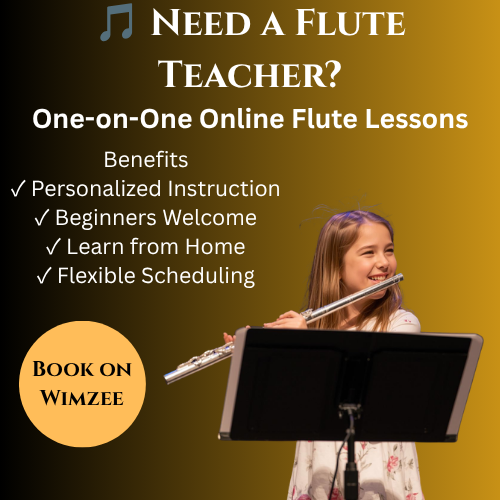
With the advent of digital technology, online lessons have surged in popularity. Platforms like Zoom or Skype offer the convenience of learning from home, and the ability to connect with talented instructors worldwide. This format provides flexibility in scheduling and often at a more economical rate.
For those looking for specialized focus, there are workshops and masterclasses offered by accomplished flutists. These short-term, intensive sessions provide deep dives into specific techniques or pieces, often with expert guidance.
Each of these lesson types caters to different needs and preferences, ensuring that every student can find a learning environment that suits their style. Whatever path you choose, there’s an abundance of resources ready to help you achieve your flute-playing goals.
Cost Comparison: Private Vs. Group Lessons
When deciding between private and group lessons, understanding the cost implications can help you make the best choice for your budget and learning style. Private lessons typically carry a higher price due to their personalized nature and the direct attention from the instructor. This tailored approach ensures lessons progress at your pace, addressing your specific strengths and challenges.
On the other hand, group lessons are generally more cost-effective. The shared setting means the instructor’s fee is distributed among several students, making it an appealing option for budget-conscious learners. While these sessions may lack the individual focus of private lessons, they offer the added benefit of learning in a collaborative environment.
Consider also the frequency and duration of lessons. Private lessons may offer more scheduling flexibility, potentially affecting overall cost if the instructor allows for adjustable session lengths. In contrast, group lessons typically adhere to a fixed schedule, which might be less adaptable but easier on the wallet.
Ultimately, your decision will depend on personal priorities and financial considerations. Whether you choose the bespoke setting of private instruction or the communal vibe of group lessons, both paths offer valuable opportunities for developing your flute skills.
Additional Expenses to Consider
While lesson fees are the most apparent cost, aspiring flutists should prepare for several additional expenses. One significant investment is acquiring a quality flute. Beginner models can be affordable, but as skills advance, upgrading to an intermediate or professional instrument may be necessary, with costs rising accordingly.
Essential Accessories
Don’t overlook essential accessories like flute cases, cleaning materials, and sturdy music stands. These items, while seemingly minor, are crucial for maintaining your instrument and ensuring a smooth practice experience.
Another consideration is the cost of sheet music. Depending on your level and interest, purchasing new music can add up over time. Exploring digital sheet music platforms can sometimes offer a more budget-friendly alternative.
For those involved in group lessons or ensembles, performance attire may also be required. Special occasions like recitals or competitions might call for formalwear, which could be an unexpected expense.
Finally, periodic maintenance and repair can ensure your flute remains in optimal condition. Regular servicing by a professional technician can prevent minor issues from becoming costly repairs down the line.
By accounting for these additional expenses, you can better manage your finances and focus on enjoying your musical journey.
The Bottom Line: Making the Right Investment
In the harmonious pursuit of mastering the flute, understanding the full scope of costs is crucial. From choosing the right type of lessons to navigating additional expenses, each decision shapes your musical journey. The goal is not merely to find the most affordable option, but to ensure that every dollar spent translates into meaningful progress.
Ultimately, the choice between private and group lessons should reflect your personal learning style and budgetary needs. Private lessons offer individualized attention and a tailored curriculum, which could be invaluable for rapid skill development. Meanwhile, group lessons offer a more social and cost-effective route that can still yield impressive results for those who thrive in collective settings.
Equally important is planning for the extra expenses, like instruments, accessories, and maintenance. Being prepared for these costs ahead of time can prevent surprises and allow you to focus fully on your studies.
Considering all these factors, it’s essential to remember that investing in music education is an investment in yourself or your child’s growth and creativity. The rewards go beyond mastering scales and pieces; they include increased confidence, improved discipline, and a lifelong appreciation for music.
By making informed choices, you can ensure that your investment not only fits your budget but also fulfills your passion for music. With careful planning and dedication, you’ll find that the journey to becoming a skilled flutist is well worth the investment. Let this be the start of a beautiful and enriching musical adventure.
Enjoyed this article? Download my FREE Flute Gift and receive 5 beginner hymns plus a printable practice tracker.


You Might Also Like: