The bamboo flute, with its ethereal sound and rich cultural history, captivates musicians across the globe. Whether you’re a beginner or an advanced player, understanding the finger chart for a 6-hole bamboo flute is crucial to your musical journey. This simple instrument can unlock a world of breathtaking melodies and expressive rhythms.
In this guide, we’ll delve into the essentials of mastering the 6-hole bamboo flute. We’ll explore the fundamental finger positions, giving you a solid foundation to play with confidence and creativity. Through clear, illustrated charts and explanations, you’ll quickly grasp how different combinations lead to diverse notes and tones.
Embrace the opportunity to broaden your musical horizon by learning the basic finger techniques of this enchanting instrument. Prepare to immerse yourself in a musical tradition that has inspired countless generations, and enhance your skills one note at a time. Let’s embark on this melodious adventure with the bamboo flute as your guide.
Understanding the Basics of a Bamboo Flute
The bamboo flute, often revered for its simplicity and natural resonance, is a staple in various musical traditions. Its construction, usually from a single piece of bamboo, lends a unique timbre that sets it apart from other wind instruments.
Elements of the Bamboo Flute
At its core, a bamboo flute comprises six finger holes and an embouchure hole where the player blows air. The length and thickness of the bamboo impact the flute’s pitch and tonal quality. Variations in design can be found across cultures, each adding a distinct flavor to the instrument’s sound.
The position of the holes, along with your finger placement, defines what notes can be played. Each hole corresponds to a specific pitch, and by covering or uncovering them, you change the air column’s length within the flute, resulting in different notes.
Playing Techniques
To produce a clear sound, proper embouchure—the way you shape your mouth and lips—is essential. Position your lips close to the embouchure hole and direct a focused stream of air across it. Maintain a relaxed posture and practice breath control to sustain notes with consistent pitch and volume.
With dedication, the basic principles of the bamboo flute can lead you to explore complex melodies and enrich your musical expression.
Exploring the Finger Chart for a 6-Hole Bamboo Flute
The finger chart is an essential tool in learning to navigate the mesmerizing melodies of the 6-hole bamboo flute. By familiarizing yourself with this guide, you can unlock the flute’s full range and versatility.
Finger Placement Essentials
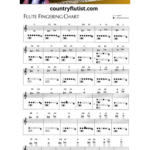
Each hole on the bamboo flute corresponds to a specific note when opened or closed. Starting from the bottom, holes are typically numbered 1 to 6. Covering all holes produces the lowest note, while progressively uncovering them raises the pitch.
When using the chart, note that each diagram illustrates which holes should be covered to produce desired notes. This serves as a visual roadmap, assisting you in mastering various scales and melodies.
Breathing and Coordination
Syncing your breath with finger movements is key to fluid playing. Practice transitioning smoothly between notes by focusing on breath support and steady airflow. Gradually, build dexterity to transition seamlessly between different positions.
Regular practice with the finger chart encourages muscle memory development, making it easier to improvise and explore more complex pieces. Embrace the challenge, and soon you’ll find joy in effortlessly creating beautiful music on your bamboo flute.
Mastering the Fingerings for Each Note
Mastering the fingerings on a 6-hole bamboo flute unlocks a captivating world of sound. Each note is a building block in crafting expressive melodies, and practice is key to achieving fluidity and accuracy.
Starting with Basic Scales
Begin with simple scales to familiarize yourself with different finger combinations. The major scale, often the first taught to beginners, serves as an excellent starting point. Pay attention to the smooth opening and closing of holes, which is crucial for consistent sound production.
Building Muscle Memory
Repetition is your ally in developing muscle memory. Regularly practicing finger exercises not only strengthens your fingers but also enhances speed and precision. As your proficiency grows, integrate more complex scales and arpeggios into your routine.
Achieving Consistency in Sound
Ensure a steady, focused airflow as you progress through the notes. Inconsistent breath can lead to fluctuations in tone. Engaging with slow practice sessions allows for adjustments in finger placement and embouchure, ensuring a seamless transition between notes.
Embrace a structured practice regimen and gradually expand your repertoire of fingerings. With patience and dedication, mastering the fingerings on a 6-hole bamboo flute will lead to expressive and inspiring performances.
Practicing Scales and Simple Melodies
Practicing scales is essential for developing fluency on the 6-hole bamboo flute. Scales serve as exercises that enhance finger dexterity, breath control, and familiarity with the flute’s tonal range.
Begin by slowly playing through each scale, concentrating on even finger movement and consistent breath support. As you grow more confident, increase the tempo while maintaining accuracy and tone quality.
Integrating simple melodies into your practice routine helps in applying scale knowledge to real music. Choose familiar tunes that encourage smooth transitions and expressive playing. This not only boosts your technical skills but also enhances your musical interpretation.
Use a metronome to improve timing and rhythm, allowing you to internalize a regular tempo. This ensures precision and steadiness in your practice sessions.
Regular practice of scales and simple melodies allows gradual improvement and reinforces a strong foundation. This balance of technical exercises and musical exploration can transform your playing experience and elevate your understanding of the bamboo flute.
Synchronization of Finger Movements
Achieving synchronized finger movements is crucial for playing the bamboo flute smoothly and expressively. It ensures seamless note transitions and improves overall musicality.
Begin by isolating tricky passages and practice them slowly. Focus on moving your fingers in tandem, ensuring each one lifts and lands at the same time. This precision eliminates unwanted sounds between notes.
Role of Relaxation and Comfort
Maintaining a relaxed grip is vital; tension in the hands or fingers can hinder fluid motion. Ensure your grip is light yet secure, allowing for agile movements across the finger holes.
Practice exercises that encourage independence between fingers. These drills promote coordination and control, crucial for faster passages.
Building Speed and Efficiency
Once comfortable, gradually increase your playing speed using a metronome. Consistent practice will align your finger movements with the desired tempo while preserving accuracy.
Persistently work on synchronization during your daily practice. As you hone these skills, your command over the bamboo flute will grow, enabling you to perform complex pieces with ease and confidence. This mastery forms the backbone of expressive and dynamic flute playing.
Enhancing Your Technique Through Practice
Effective practice is the cornerstone of refining your bamboo flute technique. By approaching your practice sessions systematically, you can make consistent progress and deepen your connection with the instrument.
Diverse Practice Routines
Incorporate a mix of exercises to target various aspects of flute playing. Start with warm-ups that focus on long tones, helping you develop breath control and tone quality. Follow with scales to improve finger agility and precision.
Include etudes and technical studies that challenge your current skill level. These pieces often contain specific technical hurdles, allowing you to focus on developing particular aspects of your playing.
Maintain a balance between technical practice and musical expression. Spend time interpreting musical pieces, focusing on dynamics, phrasing, and emotional delivery. This blend of activities ensures a holistic approach to mastering the flute.
Reflecting on Progress
Record your practice sessions periodically to evaluate your progress. Listening back helps identify areas for improvement and recognize achievements. Set realistic goals and celebrate breakthroughs to keep your motivation high.
Dedicate consistent time to your practice, and over time, these efforts will lead to enhanced technique and greater confidence as a bamboo flutist. Your dedication will resonate in every note you play, bringing your musical aspirations to life.
The Bottom Line: Achieving Mastery in Bamboo Flute Finger Chart
Mastering the bamboo flute offers a fulfilling journey filled with discovery and musical growth. By understanding the fundamental principles of the 6-hole finger chart, you pave the way to play beautiful and meaningful music. Each practice session contributes to a deeper connection with the flute, making every note resonate with precision and emotion.
Prioritizing regular practice of scales and melodies forms the backbone of your progress. As you synchronize your finger movements and hone your technique, challenges begin to transform into opportunities for musical expression. Patience and consistency are your greatest allies as you refine your skills, gradually crafting a sound that’s uniquely yours.
Remember to maintain relaxation throughout your practice. A calm, steady approach ensures clear tone production and fluid transitions between notes. This mental and physical awareness allows you to explore the flute’s full range with confidence and creativity.
Ultimately, achieving mastery in bamboo flute playing is a lifelong pursuit. Embrace each step, from grasping the basics to exploring more advanced techniques, with curiosity and enthusiasm. Celebrate small victories as they accumulate into significant milestones.
As you continue on this musical path, your dedication will unfold in every performance, captivating audiences and enriching your artistry. The bamboo flute’s captivating voice will serve as your guide, and with commitment, you’ll find joy in every melody it creates.
Enjoyed this article? Download my FREE Flute Gift and receive 5 beginner hymns plus a printable practice tracker.


You Might Also Like: