Unlocking the ethereal beauty of high notes on the flute can feel like mastering a new language. These notes, which are both captivating and challenging, are crucial for bringing brilliance to your performance. The complexity lies not only in the precision of your fingers but also in the subtlety of your breath control and embouchure.
Navigating the flute fingering chart for high notes is an essential step in overcoming this challenge. Whether you’re an enthusiastic beginner striving to expand your range or a seasoned flutist fine-tuning your high-register performance, understanding the nuances of finger positioning is key.
In this comprehensive guide, we’ll delve into the strategic techniques and tips that enhance your fluency in achieving clear, resonant high notes. From common pitfalls to expert insights, each section is crafted to help you play with confidence and ease.
Let’s embark on this journey together to bring out the shimmering brilliance of your flute’s high-register notes!
Exploring the Importance of High Notes in Flute Playing
High notes on the flute are akin to the sparkling highlights in a painting; they embellish the composition with brilliance and color. These notes contribute significantly to the expressiveness and versatility of your music, allowing you to shape more dynamic and emotionally engaging performances.
Elevating Musical Expression
Incorporating high notes in your playing expands the flute’s dynamic range, providing you with a broader palette of sounds to express various moods and styles. These notes can add a shimmering quality to a melody or create a sense of excitement and tension in more dramatic pieces.
Mastering high notes is also essential for performing a wide range of repertoire. From the intricate passages of classical literature to the soaring lines of modern compositions, the ability to fluently navigate the higher register is a valuable skill for any flutist.
Building Technical Proficiency
Practicing high notes also serves to develop technical proficiency and control across the entire flute. By requiring precise finger movements and refined breath control, working on these notes can improve overall musicality and technique.
Embarking on this high-note exploration will enhance your capacity to perform with sensitivity and confidence, elevating your flute playing to new heights.
Understanding the Flute Fingering Chart Structure
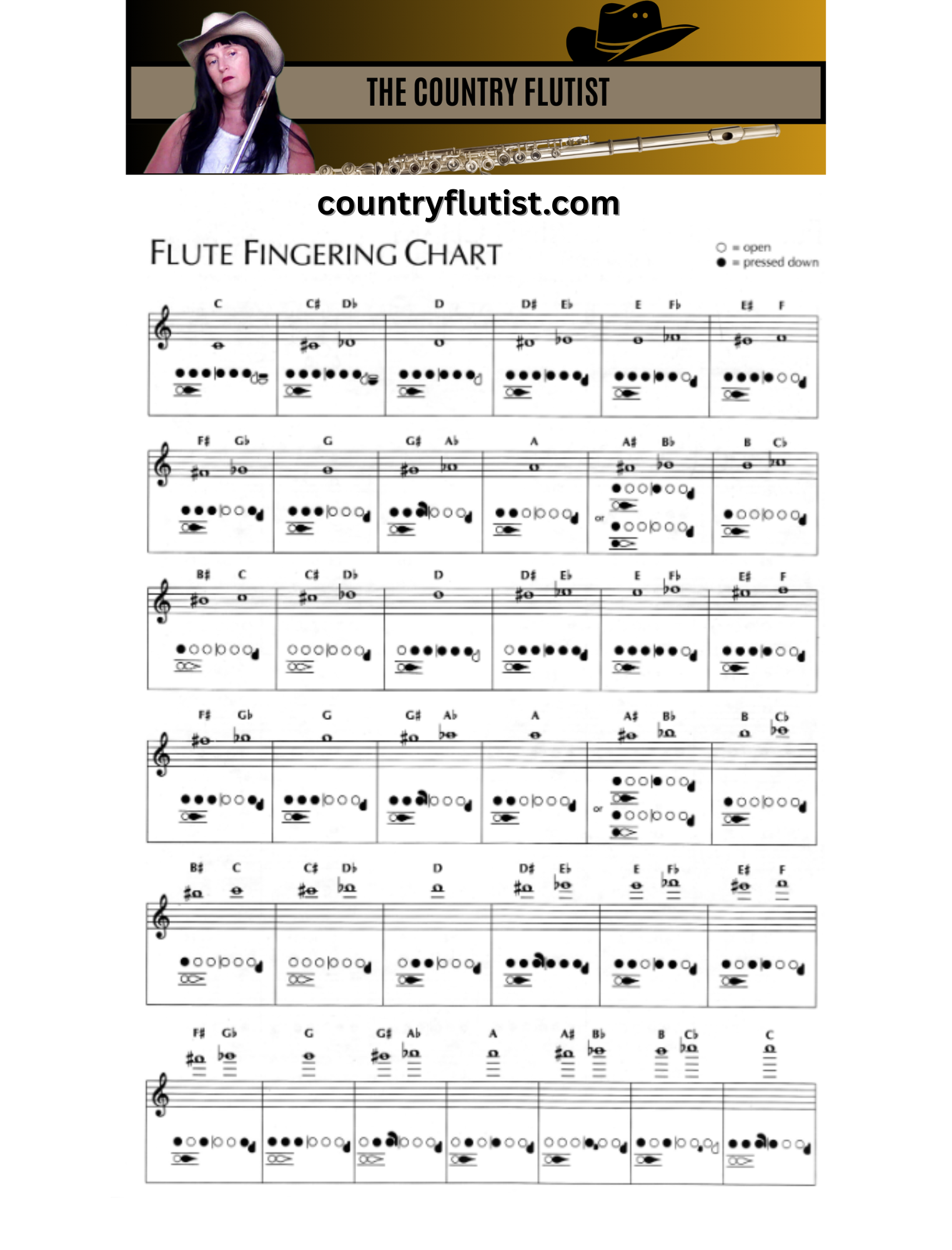
To fully harness the power of high notes, it’s crucial to understand the flute fingering chart’s structure. This chart is a vital tool that outlines the exact finger placements needed to produce each note on the flute. Mastering this chart will give you the confidence to navigate the instrument with agility.
Basic Organization of the Chart
The chart is organized by octaves, displaying standard fingerings for the flute’s range. It typically lists notes from the lowest to the highest, with each note aligned with its corresponding fingering pattern. Becoming familiar with this structure is essential for identifying patterns and transitions between notes.
Advanced fingering charts may also include alternate fingerings, which can offer easier transitions or improved tuning for certain passages. These alternate options are lifesavers when tackling complex pieces or playing in challenging keys.
Enhancing Your Fluency
Practicing with the fingering chart can significantly improve your fluency, particularly when playing high notes, where slight adjustments in fingering can greatly affect sound quality. Understanding these fingerings will allow you to achieve clarity and precision, especially in fast passages.
Incorporating the fingering chart into your daily practice routine will deepen your understanding of the instrument, making it an indispensable resource in your musical toolkit.
🎁 New to the flute?
If you’re looking for beautiful music that’s fun and easy to play, don’t miss my Free Flute Gift! You’ll receive 5 beginner hymns, a FREE practice tracker, and beginner practice tips to help you build confidence.
👉 Get Your Free Flute Gift
Techniques for Mastering High Notes on the Flute
Achieving clear and resonant high notes requires not only a thorough understanding of fingerings but also a collection of refined techniques. Developing these techniques will greatly improve your ability to produce beautiful and consistent high tones.
Breath control is paramount when playing high notes. Begin with deep, diaphragmatic breathing to support your sound and maintain control over your airflow. Keeping the air stream steady and focused will help you achieve the desired pitch and tonal quality without strain.
Embouchure refinement is another critical aspect. The shape and tension of your lips greatly influence the clarity and pitch of high notes. Practice by adjusting your lips slightly, focusing on creating a smaller aperture for the air to travel through. This will enhance precision and stability.
Incorporating slow practice into your routine allows you to focus on precision and smooth transitions between notes. Gradually increasing the tempo as comfort improves can aid in fluency across registers. Regularly practicing scales and arpeggios that utilize high notes will also foster familiarity and ease in performance.
Utilize harmonics to accustom your ear and fingers to the high register. This method encourages cleaner transitions and the ability to center pitches more accurately, empowering you to navigate high notes with confidence and finesse.
Troubleshooting Common Challenges with High Notes
Encountering difficulties with high notes is a common experience for flutists of all levels. Understanding these challenges and their solutions can help you enhance your overall performance.
One frequent issue is producing a thin or airy sound. This often results from insufficient air support. Focus on deep breathing and maintaining a steady, controlled airstream. Strengthening your breath support with breathing exercises can significantly improve the tone quality of your high notes.
Addressing Intonation Problems
Intonation can pose a challenge, with high notes tending to go sharp or flat. Address this by experimenting with your embouchure and air direction. A small adjustment in your lip position or air angle can make a significant difference in pitch stability. Regular practice with a tuner facilitates better pitch accuracy.
Cracking or overblowing is another common problem. When this occurs, it may indicate excessive tension or pressure. Relaxing the embouchure and ensuring a focused airstream can mitigate this issue. Employ gentle and consistent practice to build confidence without forcing sound.
Additionally, fatigue can hinder progress with high notes. Ensure your practice sessions are balanced, incorporating breaks and varied exercises to avoid overexertion. Approach practice mindfully to develop resilience and prevent strain.
With patience and persistence, these troubleshooting strategies will aid in overcoming high-note challenges, paving the way for more expressive and skillful flute playing.
The Bottom Line: Achieving Mastery in Using the Flute Fingering Chart for High Notes
Mastering high notes on the flute is a journey that demands dedication, patience, and an understanding of the intricate relationship between fingerings, embouchure, and breath control. The flute fingering chart is your indispensable guide on this journey, providing clarity and direction for both standard and alternate fingerings.
As you navigate this chart, remember that each note is an opportunity to express the full range of emotions inherent in the music. Consistent practice with the chart not only builds technical prowess but also enriches your musical interpretation, allowing you to execute high notes with precision and flair.
Addressing common challenges such as intonation issues and cracking is also part of this learning curve. By employing tailored strategies like mindful breathing, embouchure adjustments, and harmonic exercises, you’ll enhance your ability to tackle these challenges effectively.
Progress might seem slow at times, but it’s important to celebrate each small victory along the way. Over time, as you refine your technique and deepen your understanding, those once-elusive high notes will become second nature, enhancing the vitality and brilliance of your playing.
In the end, mastery of high notes transcends mere technical skill; it opens the door to more expressive, captivating performances that resonate with audiences. Whether you are playing a delicate solo or a commanding orchestral piece, the confidence you gain through mastering high notes will reflect in every phrase.
With dedication and a strategic approach to the flute fingering chart, you can achieve a level of artistry that inspires and delights both you and your listeners. Embrace the challenge, enjoy the process, and let your flute playing soar!
Enjoyed this article? Download my FREE Flute Gift and receive 5 beginner hymns plus a printable practice tracker.


You Might Also Like: