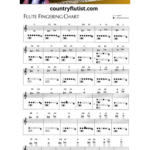
Embarking on the journey to master the flute is thrilling and fulfilling. Central to this quest is understanding the flute fingering chart, a vital tool for every flutist. Mastery of this chart unlocks the full range of possibilities the instrument offers, paving the way for rich and nuanced performances.
Fingering charts serve as a roadmap, guiding your fingers to produce each note accurately. While the standard flute offers an impressive range, beginning flutists often find navigating this landscape challenging. However, demystifying the patterns and sequences can transform initial struggles into rewarding expertise.
In this guide, we’ll break down the essential elements of the flute fingering chart, offering valuable tips and strategies to improve your fluency. Whether you’re a beginner seeking clarity or an experienced player looking to refine your technique, this comprehensive guide will enhance your understanding and dexterity.
Prepare to elevate your artistry by uncovering the secrets hidden within the chart. Together, we’ll explore techniques to help you play with ease and confidence, ensuring that the magic of flute music is always at your fingertips.
Understanding the Basics of the Flute Fingering Chart
The flute fingering chart is a visual guide that illustrates how to produce each note on the flute. Each position corresponds to a unique combination of keys pressed by your fingers. Familiarizing yourself with these positions is a crucial step in becoming proficient with the instrument.
Start by focusing on the primary notes in the flute’s most comfortable range. Identifying these core positions forms a solid foundation, allowing you to expand into more complex fingerings with confidence. As you learn these basics, consider practicing with a metronome to maintain steady rhythm and timing.
Recognizing patterns is another key aspect when using the fingering chart. For example, many notes share similar finger positions with minor alterations. Understanding these subtle shifts simplifies learning and helps you transition smoothly between notes.
Dedicate time to regular practice and use visual cues from the chart to reinforce your memory. As with any skill, consistency breeds fluency. Engage with the chart actively during practice sessions, and over time, your fingers will naturally find the correct positions with ease.
Master these basics, and you’ll lay a strong groundwork for tackling the more challenging notes and extended techniques you’ll encounter as you progress.
Exploring Common Fingerings for Different Notes
Delving into the common fingerings for different notes is essential for developing a strong technical foundation on the flute. Each note’s fingering combines specific keys and holes, crafting the unique voice of the instrument across its range.
Mastering the Basics
Begin by working through the fingerings for the core notes: C, D, E, F, G, A, and B. These notes form the backbone of many scales and pieces, making them an excellent starting point for any practicing flutist. Take time to memorize the positions, focusing on hand placement and finger precision.
Understandably, transitioning between notes smoothly is crucial for fluid performance. Practice shifting fingerings with gradual speed increases to develop muscle memory, ensuring your fingers glide effortlessly over the keys.
Navigating Sharps and Flats
Once comfortable with the natural notes, start integrating sharps and flats. Fingerings for these notes often vary slightly, requiring nuanced control and attention to detail. Practice the chromatic scale to familiarize yourself with these adjustments, helping build a comprehensive understanding of finger positioning for each note.
With diligent practice, these common fingerings will become second nature, allowing you to explore more complex music with the precision and ease that characterize skilled flute playing.
Tips for Mastering Tricky Fingering Combinations
Mastering tricky fingering combinations is an essential step toward achieving fluency on the flute. Complex fingerings can seem daunting, yet with targeted practice techniques, they become manageable and even second nature.
Slow Practice
Start by practicing difficult combinations slowly. This deliberate pace allows for careful inspection of each movement, ensuring accuracy and precision. As muscle memory develops, gradually increase the tempo, maintaining control and smooth transitions throughout.
Use visual aids, such as the fingering chart, to pinpoint specific keys and challenges. Sometimes, isolating challenging transitions and dedicating focused practice time can lead to breakthroughs in agility.
Consistent Exercises
Incorporate regular exercises that target these tricky combinations into your practice routine. Technique books and etudes tailored for the flute can provide valuable finger drills that enhance dexterity. Consider using scales and etudes that incorporate troublesome transitions naturally, allowing you to work on them in a musical context.
Patience is your ally when tackling these demanding sequences. Over time, what was once a source of frustration transforms into a testament to your dedication and growing proficiency. Embrace the challenge, and celebrate the small victories along the way as your confidence and skill with the flute flourish.
Utilizing the Flute Fingering Chart for Improved Technique
The flute fingering chart is more than a reference; it’s an empowering tool for refining technique. By leveraging this guide effectively, flutists can deepen their understanding and execution of various fingerings, enhancing their overall performance.
Begin by incorporating the chart into your practice sessions as a visual reinforcement. Use it to verify finger positions, ensuring accuracy as you navigate through exercises and repertoire. This proactive approach prevents ingraining incorrect habits, safeguarding your technique.
Regularly revisit the chart when learning new pieces. Identifying unfamiliar fingerings ahead of time allows for smoother practice, minimizing trial and error. This strategic use of the chart accelerates learning, enhancing both efficiency and confidence in your playing.
Incorporating the chart in your technical routine can also help diagnose and resolve issues. If a passage feels clumsy or awkward, consulting the chart might reveal alternative fingerings or techniques. Exploring these options broadens your technical toolkit, making you a more versatile and adaptable musician.
Through consistent engagement with the flute fingering chart, your technical prowess will grow, propelling your musical journey to new heights.
Mastering Advanced Techniques and Fingerings
Taking on advanced techniques and fingerings is a thrilling phase of your flute journey, where you push beyond foundational skills to embrace a new realm of musical expression. This progression not only enhances your technical arsenal but also enriches your expressive capabilities.
Beyond the Basics
Advanced fingerings often involve multi-key combinations and alternate paths to produce notes in higher ranges or achieve specific tonal effects. Techniques like harmonics, multiphonics, and microtones call for precise finger coordination and control. Engaging with these requires patience and a willingness to experiment.
To master these complexities, break them down into digestible segments. Work through isolated sections in your practice sessions, giving each technique the attention it requires. Repetition and focused study help internalize these advanced skills, allowing them to flow more naturally over time.
Experiment and Innovate
Exploration is key; don’t hesitate to experiment with new fingerings or combinations. Many advanced techniques are discovered through playful improvisation and a willingness to step outside conventional methods. Listening to skilled flutists perform complex works can also inspire innovative approaches.
Embrace the challenge of advanced techniques as an opportunity to grow artistically. With dedication, these skills open the door to a broader repertoire, enabling you to share the flute’s mesmerizing potential with greater depth and sophistication.
Enhancing Your Flute Performance Through Fingering Chart Mastery
Mastering the flute fingering chart not only sharpens your technical skills but also profoundly elevates your overall performance. The cornerstone of expressive flute playing lies in the precision and confidence gained from understanding and utilizing this essential tool.
With a deep grasp of the fingering chart, transitions between notes become seamless, allowing your music to flow effortlessly. This fluidity enriches performances, giving each piece a polished, cohesive sound that captivates listeners.
Additionally, familiarity with alternative fingerings expands your expressive possibilities. These variations enable you to fine-tune intonation and color, adapting your sound to suit the mood or style of your repertoire. Such versatility is invaluable in both solo and ensemble settings.
In performance situations, confidence is crucial. A well-grounded knowledge of the fingering chart reduces the anxiety of unexpected challenges, enabling you to focus on musicality rather than technique. This assurance allows you to connect more deeply with your audience, conveying emotion and nuance with clarity.
Embrace the power of the fingering chart as a foundational aspect of your practice. Cultivating this expertise will empower you to deliver performances that not only demonstrate technical prowess but also resonate with expressive artistry.
The Bottom Line: Perfecting Your Flute Playing with the Fingering Chart
In the realm of flute playing, mastery of the fingering chart stands as a pivotal element. It’s not merely a reference tool but a gateway to unlocking the full potential of your musical expression. By systematically learning and internalizing the chart, you lay the groundwork for technical brilliance and nuanced artistry.
Throughout your journey, the fingering chart guides you from basic understanding to advanced techniques. Each stage of this progression equips you with the confidence to tackle complex pieces, ensuring smooth transitions and precise intonation. This clarity of technique directly translates into enhanced performance quality, allowing you to captivate audiences with fluidity and expressiveness.
Another key point is, the chart encourages exploration and innovation, nurturing your growth as both a musician and an artist. With practice and perseverance, the once-daunting fingerings become a natural extension of your musical vocabulary. As you embrace these challenges, your ability to convey emotional depth and artistic flair expands, enriching your rendition of every piece you undertake.
In conclusion, the flute fingering chart is an invaluable asset on the path to becoming a skilled flutist. Whether you are a beginner or an advanced player, its mastery plays a crucial role in cultivating a rich and versatile performance. Let it be a constant companion in your practice, propelling your flute playing to new heights and ensuring that the beauty of music is always within your reach.
Enjoyed this article? Download my FREE Flute Gift and receive 5 beginner hymns plus a printable practice tracker.


You Might Also Like: