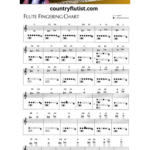
Welcome to a journey through the elegant world of flute fingering techniques, a foundational element for any flutist, beginner or advanced. Mastering these techniques unlocks the door to expressive and fluid playing, enabling you to explore a vast array of musical genres with confidence and flair.
In this guide, we’ll delve into the intricate art of flute fingering, offering insights and strategies to elevate your playing. From the basic fingerings every flutist should know to advanced tips for seamless transitions, this guide is designed to support you at every stage of your musical journey.
Whether you’re practicing scales, tackling challenging pieces, or improvising on a tune, refining your finger technique transforms your flute into an extension of your musical soul. Embrace the nuances, build agility and precision, and watch your musicality soar as you harness the full potential of your instrument.
Let’s get started!
Understanding the Basics of Flute Fingering
Embarking on the path to mastering flute fingering begins with understanding the fundamental principles that form the core of efficient and effective playing. At its essence, flute fingering involves specific combinations of finger placements on the keys to produce different pitches.
Starting with the open-hole flute, players become familiar with basic finger positions for the key notes, such as B, A, and G. These positions are the building blocks for navigating the more complex terrain of scales and melodies.
An awareness of proper hand posture is crucial. Relax your fingers and hands, maintaining a natural curvature to facilitate swift and smooth movements across the keys. This not only enhances accuracy but also prevents unnecessary tension that can hinder your performance.
Patience and consistent practice are your allies. Repetition embeds each movement into muscle memory, providing a stable foundation upon which you can build more advanced techniques.
With dedication, the basics of flute fingering will soon become second nature, setting you on a trajectory towards more intricate and expressive musical expressions. Keep your flute in hand, your mind focused, and your heart in the music.
Common Challenges in Mastering Flute Fingering
As you progress in your flute journey, you may encounter several challenges in mastering fingering techniques that are common among many flutists. Being aware of these hurdles can help you develop strategies to overcome them.
One frequent challenge is the difficulty in transitioning smoothly between notes, especially when moving across larger intervals. This can be mitigated by practicing slow and deliberate finger movements, gradually increasing speed as comfort develops.
Another obstacle is maintaining consistent finger pressure on the keys. Uneven pressure can lead to unclear or incorrect notes. Focus on applying a balanced, gentle touch for clean and accurate sound production.
Finger independence also poses a challenge. Some beginners struggle with moving individual fingers precisely without inadvertently lifting others. Finger exercises that isolate and target specific fingers can greatly improve dexterity and control.
Finally, many players experience fatigue and tension, particularly during extended practice sessions. Regular breaks, stretching, and relaxation techniques can alleviate discomfort and sustain performance quality.
By recognizing and addressing these challenges proactively, you can build resilience and mastery in your flute fingering journey, paving the way for a rewarding musical experience.
Effective Exercises to Improve Flute Fingering Precision
Enhancing your flute fingering precision is key to achieving fluent and expressive playing. Incorporating specific exercises into your practice routine can significantly develop your agility and accuracy.
Start with simple scale exercises across different keys. Focus intently on clarity and evenness of sound, ensuring each note is articulated with precision. Gradually increase the speed while maintaining control.
Trilling two adjacent notes fosters finger independence and speed. Begin with a slow, measured pace, emphasizing separate movement of each finger. As confidence builds, intensify the tempo for a more challenging workout.
Embark on finger-pattern exercises that highlight common sequences in music. Practicing these patterns repeatedly strengthens the neural pathways associated with those movements, aiding fluidity in your play.
Implement alternating finger drills, where you focus on transitioning smoothly between two fingers while isolating their motion. This grip-importance exercise sharpens dexterity and enhances coordination.
Incorporating these exercises regularly in your practice routine, you can expect to see marked improvements in your fingering precision, setting a solid foundation for mastering even the most intricate passages your flute repertoire has to offer.
Advanced Techniques for Flawless Flute Fingering
Once you’ve established a strong foundation in basic fingering techniques, you can explore advanced strategies that elevate your playing to new heights. These methods offer the finesse needed for complex and demanding compositions.
Developing alternate fingerings is vital for tackling tricky passages and improving intonation. Experiment with different finger combinations to find the optimal solution for challenging sections, ensuring fluidity in your transitions.
Double-tonguing and flutter tonguing expand your articulation repertoire, requiring precise finger-tongue coordination. These techniques are essential for executing rapid sequences and adding expressive textures to your performance.
Tackle extended techniques such as multiphonics and harmonics, which broaden your sound palette. Mastering these requires meticulous finger adjustments and a keen ear for achieving the desired tonal effects.
Consider practicing in varied dynamic ranges. Playing soft passages with precision demands enhanced finger sensitivity, while maintaining clarity at louder dynamics tests control.
By integrating these advanced techniques into your regular practice, you can achieve a level of flute fingering proficiency that supports artistic expression and technical brilliance across diverse musical styles.
Incorporating Articulation into Your Flute Fingering Practice
Combining articulation with flute fingering practice is crucial for creating expressive and nuanced performances. This integration helps you convey emotions and dynamics through distinct sound variations.
Start with Basic Articulation Patterns
Begin by practicing fundamental articulation techniques, such as single tonguing, which requires coordinated effort between your tongue and fingers. Practice on simple scales or patterns, focusing on timing and clarity with each note.
Once comfortable, introduce slurring into your practice. This involves smoothly connecting notes without re-articulating, requiring seamless finger transitions to maintain the legato flow.
Explore Advanced Articulation Techniques
As you advance, incorporate more complex articulation techniques like staccato and tenuto. Staccato emphasizes short, detached notes, necessitating precise finger control to ensure crisp sound. Tenuto adds weight to certain notes, demanding refined finger pressure and attention to note duration.
Incorporating these articulation techniques into your flute fingering practice not only enhances your technical skills but also prepares you to interpret diverse musical pieces with greater depth and sensitivity. Through deliberate practice, you’ll develop the ability to transform technical exercises into captivating musical narratives.
The Bottom Line: Fine-Tuning Your Flute Fingering for Mastery
In conclusion, mastering flute fingering is a journey that combines patience, practice, and a keen ear for detail. By investing time in understanding and perfecting the basics, you lay a solid foundation that facilitates more advanced techniques and expressive musical interpretations.
As you embrace the common challenges faced along the way, remember that progress often comes in small, incremental steps. Developing precision through targeted exercises will enhance your dexterity and ensure that your fingertips dance effortlessly across the keys.
Venturing into advanced techniques further hones your skills, offering new avenues for artistic expression. Experimenting with alternate fingerings and dynamic playing adds versatility to your performances, allowing you to tackle a wider range of repertoire with confidence.
Not to mention, incorporating articulation into your practice enriches your sound, lending color and variation to your music. This skill can transform technical passages into emotive storytelling, captivating audiences with each note and phrase.
Ultimately, the mastery of flute fingering is not just about technical prowess but also about the joy of musical discovery. With dedication and an open mind, you will find that your flute becomes more than an instrument; it becomes a vessel for creativity and expression.
Stay committed to refining your skills and continue to explore the vast world of flute music. As you do, you’ll uncover new dimensions of expression and musicality, leaving a lasting impact on both your personal growth and the listeners who share in your musical journey.
Enjoyed this article? Download my FREE Flute Gift and receive 5 beginner hymns plus a printable practice tracker.


You Might Also Like: