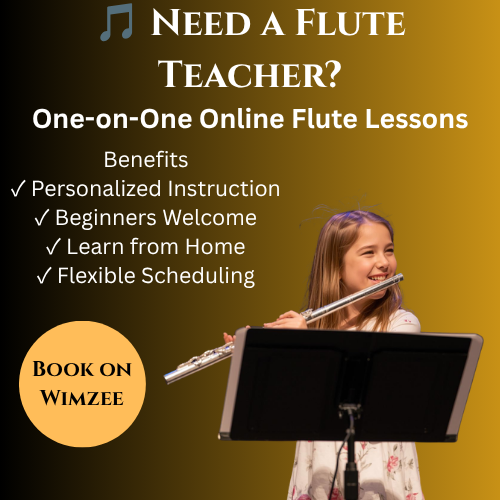
Introducing your child to the world of music through the flute can open up a universe of creativity and joy. Choosing the right flute lessons sets the foundation for a lifelong appreciation of music and develops important skills in young learners.
Finding the perfect music class locally can feel overwhelming with so many options available. It’s essential to consider factors like the teaching style, experience level of instructors, and the class environment to ensure it aligns with your child’s needs and interests.
In this guide, we’ll explore essential tips to help you make an informed decision. Discover what to look for in a music class, how to identify quality instruction, and where to find engaging and enjoyable kids flute lessons near you.
Embark on this musical journey with your child and watch them flourish through the enchanting sounds of the flute.
What to Look for in Kids Flute Lessons
Choosing flute lessons for your child involves more than just finding the nearest studio. Consider the teaching approach. Lessons should be engaging, focusing on nurturing a love for music while developing technical skills.
Qualified Instructors
Look for instructors with experience in teaching children. They should have a strong musical background and the ability to connect with young learners. Patience and the ability to make learning fun are key traits to seek.
Evaluate the lesson format. Group classes can offer social interaction and teamwork, while private lessons allow for tailored instruction and focused attention. Decide which setting best suits your child’s learning style and personality.
Classroom environment plays a significant role in your child’s musical journey. A positive and encouraging atmosphere inspires creativity and motivates practice. Ensure the lesson space is welcoming and equipped for effective learning.
Finally, consider the progression and performance opportunities provided. Regular recitals or showcases can boost confidence and give children a goal to work towards, enhancing their enthusiasm and commitment to learning the flute.
Finding a Qualified Flute Instructor Near You
Locating a skilled flute instructor in your area is a crucial step in your child’s musical journey. Start by asking for recommendations from local music schools, community centers, or friends with musical backgrounds.
Utilize online resources to broaden your search. Websites and platforms dedicated to music education often feature detailed profiles of instructors, complete with credentials and student reviews, giving you insight into their teaching style and effectiveness.
Visit local music stores as they often have bulletin boards with flyers and contact information for flute instructors. Staff members might also provide valuable suggestions based on customer feedback.
Attend local concerts or music events where you can connect with musicians and educators. Personal interaction with potential instructors can provide a better sense of their personality and teaching approach, ensuring they are a good fit for your child.
Consider trial lessons with a few instructors to assess their compatibility with your child’s needs. Observing a lesson can also offer a glimpse into the teaching methods and overall environment your child may experience.
Exploring Lesson Formats and Schedule Options
When considering flute lessons for your child, examining various format and schedule options is vital to accommodate their learning style and your family’s routine.
Group lessons can be ideal for beginners, offering a social setting where children learn together, build friendships, and enjoy a sense of camaraderie. This format often makes music learning a fun and shared experience.
Private lessons provide a more individualized approach. Instructors tailor each session to your child’s unique pace and needs, ideal for focusing on specific skills or preparing for performances.
Explore flexible scheduling options that align with your family’s lifestyle. Many instructors offer adaptable lesson plans that can be adjusted according to school terms or seasonal activities, ensuring consistent progress without overwhelming your child.
Additionally, online lessons have become increasingly popular, providing convenience and access to a wider range of instructors. This option is perfect for families seeking flexibility in location and timing.
Ultimately, selecting the appropriate lesson format and schedule can ensure a balanced and enjoyable musical experience for your child, nurturing their enthusiasm and commitment to learning the flute.
Cost Considerations for Kids Flute Classes
Budgeting for flute classes involves more than just tuition fees. It’s important to consider all related costs to make an informed decision and ensure your child has all they need to succeed.
Tuition and Materials
Tuition fees vary widely based on the instructor’s experience, lesson length, and class format. Group lessons typically cost less than private sessions, but may offer fewer personalized benefits.
Factor in the cost of materials such as sheet music, flute maintenance tools, and accessories. In some cases, music schools may charge a nominal fee for these resources or require students to purchase them independently.
Instrument rental or purchase is another significant consideration. If your child is just starting, renting a flute can be an affordable option until they are ready for a more permanent investment.
Finally, consider potential costs for recitals or examinations, which may enhance your child’s learning experience but come with additional fees. Planning for these expenses can help ensure your child’s musical journey is both enriching and financially manageable.
Choosing the Perfect Kids Flute Class: The Bottom Line
Ultimately, finding the ideal flute class for your child is about balancing various factors to meet their unique needs and your family’s lifestyle. By considering the experience and approach of instructors, you ensure the teaching style matches your child’s learning preferences.
Keep in mind the different lesson formats and schedule options available. This flexibility can greatly enhance your child’s experience, providing a supportive environment that encourages both skill development and personal growth.
Cost is always an important factor, but remember that the investment goes beyond mere financials. You’re nurturing a skill that can bring joy and fulfillment for years to come. Weigh the expenses against the long-term benefits music education offers, such as improved cognitive abilities and increased discipline.
By exploring local options and engaging with the music community, you’ll be equipped to make an informed choice. Take advantage of resources like trial lessons or speaking with other parents to gain insights into various programs.
As you embark on this musical journey with your child, focus on fostering a love for music and the joy of playing the flute. With the right class, your child will not only learn to play an instrument but will also gain valuable life skills and cherished memories along the way.
Enjoyed this article? Download my FREE Flute Gift and receive 5 beginner hymns plus a printable practice tracker.


You Might Also Like: