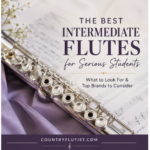
Embarking on your musical journey with the flute is an exciting endeavor, but choosing the right instrument can be daunting. With a multitude of options available, the decision often boils down to selecting between a professional and an intermediate flute.
Understanding the nuances between these two types can ensure that your instrument matches your skill level, preferences, and goals. Whether you’re a student transitioning to higher skill levels or an enthusiast seeking to enhance your performance, the choice of flute plays a pivotal role.
Professional flutes offer superior craftsmanship, materials, and acoustic qualities that can significantly elevate your music. Meanwhile, intermediate flutes provide a balance of quality and affordability, ideal for those not yet at the professional tier but ready to move beyond the beginner phase.
Join us as we explore the distinct characteristics, benefits, and considerations of professional versus intermediate flutes. This guide will aid you in making an informed decision that resonates with both your personal aspirations and musical growth.
Key Differences Between Professional and Intermediate Flutes
When deciding between a professional and an intermediate flute, several key aspects come into play, including materials, craftsmanship, and features.
Professional flutes are typically crafted from higher quality materials such as sterling silver, gold, or platinum. These materials enhance the instrument’s tonal richness and projection, making them ideal for advanced players seeking nuanced expression.
In contrast, intermediate flutes often feature a combination of silver plating and nickel, providing durability while remaining cost-effective. They offer a step-up from beginner models but lack the complex tonal possibilities of professional flutes.
The craftsmanship of professional flutes is often superior, with precision-engineered mechanisms and hand-finished details that contribute to a smoother playing experience. These details ensure that the flute can meet the demands of advanced techniques and performances.
Intermediate flutes, while well-made, are designed to be more forgiving, especially for those still perfecting their technique. Their design focuses on playability and ease of use, making them suitable for progressing players who are building their skills.
Ultimately, the choice hinges on your playing level, aspirations, and budget, with professional flutes offering unparalleled sound and refinement, while intermediate models balance accessibility and quality.
Factors to Consider When Choosing a Flute for Your Skill Level
Selecting the right flute requires thoughtful consideration of your current abilities, future goals, and playing context. Each player’s journey is unique, and understanding your skill level is crucial to finding the perfect match.
One important factor is your technical proficiency. If you’re currently mastering basic techniques, an intermediate flute may support your progression with improved playability over beginner models. For those with considerable experience, a professional flute can offer the versatility needed for advanced repertoire.
Consider your commitment to practice and performance. If music is a lifelong passion or profession, investing in a professional flute may provide the longevity and depth of expression you seek. Meanwhile, intermediate flutes are ideal for advancing students adapting to demanding practice routines.
Your budget is another essential element. Professional flutes, with their superior craftsmanship, often come at a premium. It’s essential to assess your financial capacity while balancing the benefits of the investment.
Lastly, think about your personal aspirations and the music styles you wish to explore. A flute that supports your artistic vision can inspire and motivate, aligning with your musical expression and fostering growth.
Comparing Sound Quality and Build Materials
Sound quality and build materials are key elements in distinguishing between professional and intermediate flutes, each lending unique attributes to the instrument’s voice.
Professional flutes are crafted from top-tier materials such as sterling silver, gold, or even platinum. These materials contribute to a full-bodied and resonant tone, allowing for a greater range of expressive capabilities and dynamic control favored by seasoned players.
Intermediate flutes, on the other hand, commonly use silver plating over a nickel-silver base. While these materials are less expensive, they deliver a clear and bright sound suitable for those improving their technique. Although they may not match the tonal depth of professional models, they provide a significant upgrade in sound quality from beginner flutes.
Beyond materials, the intricate build of a professional flute often includes features like drawn or soldered tone holes and custom headjoint cuts, which further refine sound quality. These enhancements are designed to suit the nuanced demands of advanced musicianship.
In contrast, intermediate flutes are built with durability and playability at the forefront. Their designs are tailored to accommodate growing flutists, ensuring ample sound production and ease of maintenance, while still offering a robust playing experience.
Price Point Analysis: Value Vs Premium Features
Understanding the financial investment involved in purchasing a flute is crucial, as it can guide you in choosing between valuable features and premium enhancements.
Intermediate flutes are generally positioned at a more accessible price point, making them a favorable choice for students and developing musicians. These flutes offer a balanced mix of quality and affordability, presenting features like improved tone production and reliable mechanisms without the hefty price tag associated with professional models.
Balancing Cost and Quality
When considering a professional flute, expect a notable increase in price due to the high-quality materials and exceptional craftsmanship that define these instruments. The investment reflects the enhanced tonal quality, intricate customization options, and responsiveness that cater to professional needs.
However, it’s important to weigh whether the premium features align with your playing goals and usage. For many, the precision and continued inspiration that a professional flute provides justify the expenditure, especially for those committed to the craft.
Ultimately, your choice should align with both your budget and your musical ambitions. While intermediate flutes offer a valuable step up at a reasonable cost, professional flutes deliver unparalleled features that can elevate your musical expression to its fullest potential.
Conclusion: Finding the Perfect Flute for Your Musical Journey
Choosing the perfect flute is a pivotal step in your musical journey, one that requires careful consideration of where you are and where you aspire to be. Whether you lean towards the versatility of an intermediate flute or the refined qualities of a professional model, both options have unique advantages suited to different stages of your development.
For those who are progressing from beginner to intermediate levels, selecting an intermediate flute can offer the right balance of enhanced playability and value. These flutes support your growth with improved sound quality and durability, making them ideal companions as you refine your technique and explore more challenging music.
Conversely, if you are a dedicated musician seeking to capture every nuance of your performance, investing in a professional flute might be the most rewarding path. With superior materials and craftsmanship, these flutes provide unparalleled sound quality and flexibility, empowering you to fully express your artistry.
Ultimately, the decision comes down to aligning your choice with your personal needs, goals, and budget. Consider the environments in which you’ll be playing, the repertoire that excites you, and the role music plays in your life.
Whichever path you choose, remember that the right flute can inspire your playing and elevate your musical experience. As you embark on or continue your journey, let the flute be an extension of your voice and the bridge to achieving your musical aspirations.
Enjoyed this article? Download my FREE Flute Gift and receive 5 beginner hymns plus a printable practice tracker.


You Might Also Like: