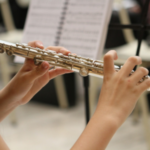
Learning how to practice flute at home is one of the most important skills a flutist can develop. Whether you are a beginner just starting out or a returning student refining your technique, effective home practice makes the difference between slow progress and confident improvement.
In this guide, you will learn how to structure your flute practice at home, what to focus on each day, and how to build habits that lead to consistent success.
Why Practicing Flute at Home Matters
Private flute lessons provide guidance and feedback. However, real progress happens between lessons. When students practice flute at home regularly, they build muscle memory, improve tone quality, and gain confidence reading music.
Additionally, home practice helps students:
-
Develop proper breathing and posture
-
Strengthen finger coordination
-
Improve rhythm and note accuracy
-
Build endurance and focus
Without consistent practice, even the best lessons will not produce lasting results.
Create a Dedicated Flute Practice Space
Before you begin, set up a comfortable and distraction-free practice area. This step alone can dramatically improve your focus.
Your practice space should include:
-
A sturdy music stand at eye level
-
A straight-backed chair (if sitting)
-
Good lighting
-
Your flute, cleaning rod, and sheet music
By practicing in the same spot each day, you train your brain to associate that space with focused learning.
How Long Should You Practice Flute at Home?
The length of your practice session depends on your experience level.
-
Beginners: 15–25 minutes per day
-
Intermediate students: 30–45 minutes per day
-
Advanced students: 45–60 minutes per day
More importantly, consistency matters more than duration. Practicing a little every day produces better results than long, infrequent sessions.
Start with a Flute Warm-Up
Every successful flute practice session begins with a warm-up. Warming up prepares your body and prevents tension.
Begin with:
-
Deep breathing exercises
-
Long tones to improve tone and air control
-
Simple lip flexibility exercises
Long tones help you focus on steady airflow, embouchure placement, and pitch control. Even five minutes of warm-ups can dramatically improve your sound.
Practice Fingerings and Technique
After warming up, focus on finger technique. This part of your practice builds coordination and speed.
Work on:
-
Scales and arpeggios
-
Finger pattern exercises
-
Tricky note transitions
Practice slowly at first. Then, gradually increase speed once accuracy improves. When students rush, mistakes become habits. Slow, mindful practice leads to cleaner playing.
Work on Reading Flute Sheet Music
Next, spend time reading flute sheet music. This skill improves with repetition and consistency.
To strengthen music reading:
-
Clap rhythms before playing
-
Say note names out loud
-
Practice small sections instead of entire pieces
If a passage feels difficult, isolate just a few measures. Repeating short sections helps you master challenging spots more efficiently.
Practice Songs and Assignments Last
After technical work, apply your skills to actual music. This step makes practice enjoyable and rewarding.
Focus on:
-
Lesson assignments
-
Familiar melodies
-
Beginner flute songs
As you play, listen carefully to tone, rhythm, and phrasing. Musical expression matters just as much as correct notes.
End with a Cool-Down
Before putting your flute away, finish with a short cool-down. Play something easy and enjoyable. This helps reinforce positive habits and prevents fatigue.
Afterward, always clean your flute using a cleaning rod and cloth. Proper flute care protects your instrument and improves playability.
Common Mistakes When Practicing Flute at Home
Many students practice regularly but still feel stuck. Often, the issue comes from a few common mistakes.
Avoid:
-
Practicing without a plan
-
Playing through mistakes without fixing them
-
Skipping warm-ups
-
Practicing only right before lessons
Instead, focus on quality over quantity. A focused 20-minute session beats an unfocused hour every time.
How a Flute Teacher Helps Home Practice
While learning how to practice flute at home is essential, guidance from a qualified flute teacher makes practice more effective. Teachers help students set goals, correct bad habits early, and stay motivated.
Online flute lessons and in-person lessons both provide structure and accountability. When students combine lessons with consistent home practice, progress accelerates.
Final Thoughts on How to Practice Flute at Home
Learning how to practice flute at home builds independence, confidence, and musical skill. With a clear structure, consistent routine, and mindful focus, students of all ages can make steady progress.
If you are looking for flute lessons, sheet music, or practice resources, visit CountryFlutist.com. With the right tools and guidance, practicing at home can become both productive and enjoyable.
Enjoyed this article? Download my FREE Flute Gift and receive 5 beginner hymns plus a printable practice tracker.


You Might Also Like: