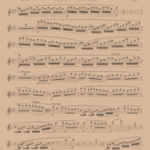
If you’re new to playing the flute, it’s essential to establish a strong foundation by practicing fundamental exercises regularly. These studies not only help you develop technical proficiency but also improve your tone quality, breath control, and overall musicianship. In this blog post, we will explore five essential flute studies that every beginner should include in their practice routine.
1. Long Tones
Long tones are the bread and butter of flute playing. They help you focus on your tone quality, intonation, and breath control. Start by choosing a comfortable pitch and holding it for as long as possible, paying attention to keeping a steady and supported sound throughout. Practice long tones in different registers of the flute to work on your overall tone production and control.
2. Scales
Scales are the building blocks of music, and practicing them on the flute is crucial for developing finger dexterity and familiarity with different keys. Start with major scales such as C Major, G Major, and D Major before moving on to minor scales. Practice scales slowly at first, focusing on evenness and accuracy, then gradually increase your speed as you become more comfortable.
Explore more on flute fingerings for better proficiency.
3. Articulation Exercises
Articulation exercises help you improve your tonguing technique, which is essential for playing fast passages and articulating notes clearly. Practice single tonguing by starting with simple exercises such as playing scales, and gradually increase the speed as you become more proficient. You can also work on double and triple tonguing exercises to further enhance your articulation skills.
Check out flute lessons for advanced tips.
4. Dynamics
Learning to control dynamics is crucial for expressing musicality and emotion in your playing. Practice playing a simple melody or scale while gradually increasing and decreasing the volume. Experiment with different dynamic levels from pianissimo (very soft) to fortissimo (very loud) to develop a wide range of expression in your playing. Pay attention to how your breath support and embouchure control impact the dynamics.
Discover calming flute music to inspire your dynamic range.
5. Etudes
Etudes are musical compositions designed to help you work on specific aspects of your playing, such as technique, phrasing, and expression. There are many flute etude books available for beginners, with pieces ranging from easy to more challenging. Pick a few etudes that focus on areas you want to improve, whether it’s finger coordination, rhythm, or articulation, and practice them regularly to see noticeable progress in your playing.
For tailored pieces, learn about custom arrangements.
The Bottom Line
In conclusion, these five essential flute studies are foundational elements that every beginner flutist should incorporate into their daily practice routine. By focusing on long tones, scales, articulation exercises, dynamics, and etudes, you will build a strong technical foundation, improve your tone quality, and develop your musical expression. Remember to practice consistently, stay patient with yourself, and seek guidance from a qualified flute teacher to ensure steady progress on your musical journey. Happy practicing!
Enjoyed this article? Download my FREE Flute Gift and receive 5 beginner hymns plus a printable practice tracker.


You Might Also Like: