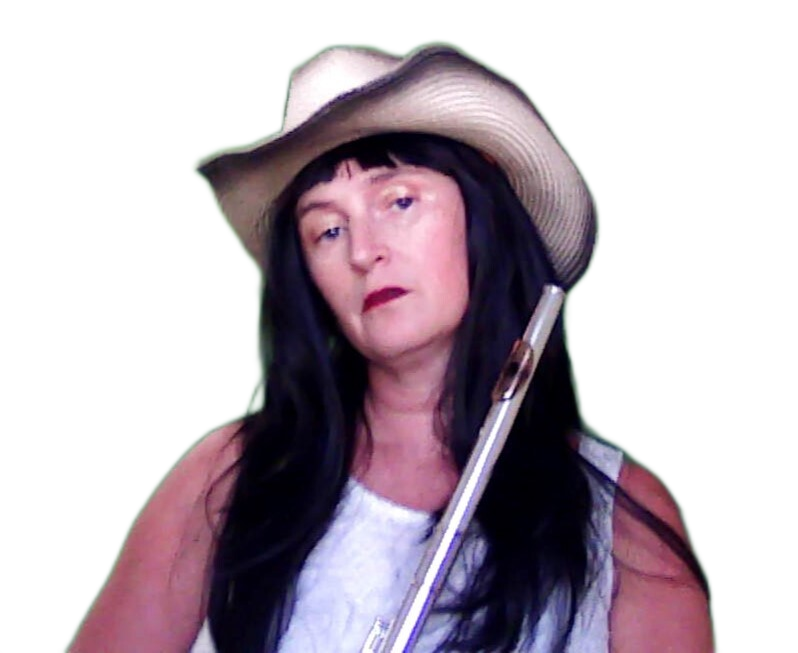
The jazz flute, often overshadowed by its brass and woodwind counterparts, has a unique and vibrant history that deserves the spotlight. While the flute’s association with classical music reading is well-known, its contribution to the jazz world is an inspiring tale of adaptability and innovation.
From the early influences of Latin jazz with pioneers like Alberto Socarras to the bebop era’s adventurous flutists like Herbie Mann, the instrument has played a crucial role in expanding jazz’s expressive palette. With its soulful melodies and extraordinary versatility, the flute has proven itself as more than a mere sideline player, tackling complex improvisations with ease.
The flutists of modern jazz continue to push boundaries, embracing genres like fusion and world music, magnifying the flute’s place in jazz history. These dynamic musicians demonstrate the instrument’s enduring relevance, inspiring new generations of artists and offering fresh, vibrant sounds to the genre.
Join us as we delve into the captivating journey of the jazz flute, celebrating the legends who have redefined its role and exploring the evolving sounds that continue to captivate audiences worldwide.
Early Roots of Jazz Flute Music
The jazz flute’s roots are entwined with the emergence of jazz itself, blending cultural melodies with syncopated rhythms. It began gaining prominence during the early 20th century as innovative musicians sought new ways to enrich the jazz soundscape.
Flutists like Alberto Socarras were trailblazers, lending their ethereal tones to ensembles and infusing jazz with the flute’s lyrical yet vibrant character. Socarras is often credited with one of the earliest known jazz flute solos in the 1930s, a pioneering step that showcased the instrument’s potential within the genre.
The flourishing stride, swing, and big band eras provided fertile ground for the flute. Musicians began exploring its expressive possibilities, integrating its sound into diverse ensembles. Such experimentation laid crucial groundwork for future flutists who would further develop the instrument’s jazz vocabulary.
Yet, during this period, the flute was primarily an ornamental voice within larger groups, waiting for the bebop era to truly spotlight its talent. As jazz continued to evolve, the seeds planted by these early innovators would grow, propelling the flute into a prominent role in the world of jazz.
Key Figures and Influences in Jazz Flute History
The jazz flute’s journey is filled with revolutionary figures whose contributions have left an indelible mark on the genre. One of the most significant pioneers was Herbie Mann, whose diverse influences and fusion sound opened new horizons for the instrument. Mann’s passion for blending Latin, African, and Eastern sounds with jazz helped popularize the flute and earned him a devoted following.
Another trailblazer, Eric Dolphy, expanded the flute’s role in avant-garde jazz. His adventurous spirit and technical prowess challenged traditional boundaries, making him an inspiration for burgeoning flutists. Dolphy’s work with pioneers like Charles Mingus and John Coltrane further cemented his legacy as a transformative figure.
Among female jazz flutists, Bobbi Humphrey rose to prominence in the 1970s. She infused soulful grooves with a modern jazz sensibility, becoming a trailblazer for women in jazz. Her successful recordings and collaborations showcased the flute’s versatility beyond conventional jazz contexts.
These artists and others have shaped the rich tapestry of jazz flute history. Their creativity and relentless pursuit of innovation have expanded the instrument’s possibilities, ensuring its continued evolution within the ever-changing landscape of jazz music.
The Evolution of Jazz Flute Techniques
As jazz flutists carved a niche within the genre, they developed unique techniques to capture the instrument’s expressive potential. From subtle nuances to bold innovations, these techniques have shaped the flute’s sonic landscape across jazz history.
One significant evolutionary stride was the integration of extended techniques. Artists began employing flutter tonguing and harmonics to create layers of texture and color. These sounds expanded the flute’s voice, enabling musicians to explore a more expansive emotional range.
Overblowing became another hallmark, allowing flutists to master the art of nuanced dynamics and gain enhanced projection within ensembles. By controlling breath pressure and embouchure, musicians could shift effortlessly from gentle whispers to powerful statements, thereby adding dramatic flair to their performances.
Incorporating non-traditional articulations, such as percussive effects and key clicks, further enriched jazz flute vocabulary. These embellishments introduced rhythmic complexity and helped the flute mimic other instruments, embracing a chameleon-like adaptability.
This ongoing evolution of jazz flute techniques reflects the instrument’s limitless possibilities and the creativity of its players. As new generations continue to push boundaries, the flute’s role in jazz promises to remain dynamic and ever-evolving.
Significance of Jazz Flute in Modern Music
In contemporary music, the jazz flute has emerged as a vibrant and essential voice, bridging genres and captivating diverse audiences. Its melodious tone and expressive flexibility allow it to transcend traditional jazz boundaries, making it a staple in various musical styles.
In fusion and world music, the flute’s crisp and lyrical qualities complement eclectic soundscapes, enhancing the genre’s cross-cultural dialogue. Artists adeptly blend jazz fundamentals with influences from Latin, African, and Eastern musical traditions, creating a rich tapestry of sound that resonates with global audiences.
Modern jazz ensembles continue to embrace the flute for its ability to deliver both soothing and dynamic performances. Its agility in crafting intricate solos and interwoven harmonies enriches the ensemble’s texture, adding depth and sophistication to contemporary jazz compositions.
Furthermore, the flute’s presence in popular music underscores its broad appeal. Collaborations with artists across genres like hip-hop, electronic, and classical demonstrate its versatility and enduring relevance. This adaptability ensures the jazz flute remains a vital component of modern music’s evolving narrative, continuously inspiring new interpretations and innovative sonic explorations.
Reflecting on Jazz Flute’s Legacy
As we look back on the rich history of jazz flute, it becomes clear that its legacy is one of innovation, diversity, and resilience. From its early roots in jazz to its modern-day significance, the flute has continually adapted, thriving within an ever-evolving musical landscape. Each era of jazz has welcomed the flute’s distinctive voice, enabling artists to explore new sonic possibilities and weave it into the fabric of the genre.
The journey of the jazz flute is marked by fearless pioneers who have pushed boundaries and inspired future generations. Through their creativity and skill, they have elevated the instrument, expanding its reach and solidifying its place in the world of jazz. The flutists’ exploration of novel techniques and their embrace of a myriad of musical influences have enriched jazz, proving that the flute is a formidable and versatile force within the genre.
Today, the jazz flute continues to captivate audiences worldwide, enchanting listeners with its emotional depth and unique sound. Its adaptability to various musical styles speaks to its universal appeal and ability to connect with people across cultural and generational divides. As musicians continue to innovate and experiment, the jazz flute promises to evolve, introducing fresh sounds and styles that will inspire future listeners and performers alike.
Reflecting on the flute’s profound legacy in jazz, we appreciate not only the artistry of extraordinary musicians but also the dynamic spirit of jazz itself—a genre that thrives on exploration and reinvention. The enduring legacy of the jazz flute is a testament to the power of music to transcend boundaries and create lasting connections through the beauty of sound.
Enjoyed this article? Download my FREE Flute Gift and receive 5 beginner hymns plus a printable practice tracker.


You Might Also Like: