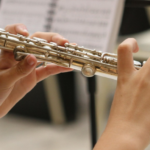
Introducing children to the world of flute playing opens up a universe of creativity, expression, and joy. This guide aims to illuminate the path for parents and educators seeking to unlock the musical potential of young flutists.
Flute lessons designed specifically for children can cultivate lifelong skills, from fine motor coordination to auditory acuity. By tailoring the learning experience to align with their developmental stage, we can ensure not only effective learning but also an engaging and fun journey.
This comprehensive guide will explore essential strategies and approaches to cater to the unique learning needs and interests of children. From selecting the right size and type of flute to establishing a conducive practice environment, these elements play a crucial role in fostering a child’s musical growth.
Dive in to discover expert tips, innovative teaching techniques, and a wealth of resources designed to bring out the best in budding flutists. Prepare to embark on a musical adventure that could inspire a lifelong passion for the flute.
Why Flute Lessons Can Benefit Your Child’s Development
Engaging in flute lessons offers a multifaceted array of benefits that extend beyond musicianship. The disciplined practice required in learning an instrument like the flute can significantly enhance a child’s development in various domains.
Enhancing Cognitive Skills
Flute lessons are instrumental in boosting cognitive capabilities. The process involves reading music, interpreting symbols, and translating them into sound, which can sharpen memory, enhance problem-solving skills, and improve mathematical abilities.
Fostering Emotional and Social Growth
Music is a powerful medium for emotional expression, allowing children to explore and communicate their feelings. Playing the flute can encourage emotional intelligence and empathy. Additionally, participating in group lessons or ensembles cultivates teamwork and cooperation, valuable skills in both personal and academic spheres.
Flute lessons encourage discipline and perseverance. Children learn the importance of setting goals and striving to achieve them through consistent practice. These habits of dedication can influence their approach to challenges throughout life, instilling a strong work ethic and resilience.
Embarking on a flute learning journey isn’t just about making music; it’s about shaping a well-rounded individual equipped with skills and insights that will serve them well into the future.
Choosing the Right Flute Teacher for Your Child
Selecting an ideal flute teacher is crucial to nurturing your child’s musical journey. A great teacher not only imparts technical skills but also inspires passion and curiosity in a young learner.
Assessing Teaching Style and Experience
Begin by evaluating the prospective teacher’s credentials and teaching style. It’s essential to find someone with experience in teaching children, as they will possess the patience and creativity needed to engage young minds. Look for teachers who balance structured lessons with fun and interactive activities.
Consider attending a trial lesson with potential teachers. This offers an opportunity to observe their interaction with your child and see if their teaching approach aligns with your child’s learning style. It’s important that the teacher can communicate effectively and establish a rapport with their students.
Encouraging a Supportive Learning Environment
The right flute teacher creates a positive and nurturing learning atmosphere. They should encourage progress with constructive feedback and motivate students to explore their musical curiosity. A supportive teacher can foster a lasting appreciation for music and flute playing.
Choosing the right teacher can profoundly influence your child’s musical education, ensuring the experience is enriching and enjoyable while building a strong foundation for future musical endeavors.
Structured Vs. Flexible Lesson Plans: What Works Best for Children
Determining the right balance between structured and flexible lesson plans is key to effective flute instruction for children. Each approach offers distinct advantages that can be tailored to meet individual learning needs.
The Benefits of Structured Lessons
Structured lesson plans provide a clear roadmap for learning, offering consistency and progression in skill development. For children, having a routine with clearly defined objectives can build a sense of accomplishment as they achieve new milestones.
However, maintaining flexibility within this structure allows space for creativity and adaptability. Incorporating varied activities, like games and improvisation, within a structured plan makes learning more enjoyable and engaging for young students.
Emphasizing Personalization
Flexible lessons allow for personalization, catering to a child’s unique interests and pace. This approach can boost motivation and enthusiasm, as lessons can evolve based on the child’s growing interests and strengths. Flexibility enables teachers to address immediate challenges or areas of curiosity as they arise.
Ultimately, the most effective lesson plans often blend structure with flexibility, offering the stability needed for skill building while providing room for spontaneous exploration. Collaborating with both the teacher and child to find the best balance is essential for creating a fulfilling and effective learning experience.
Keeping Children Engaged and Interested in Learning the Flute
Sustaining a child’s interest in learning the flute requires creativity, encouragement, and adaptability. By making lessons dynamic and enjoyable, you can help maintain their enthusiasm for music.
Incorporating Variety and Fun
Integrating games, stories, and playful exercises into lessons can capture a child’s interest and make learning feel like an adventure. Rotating activities keeps lessons fresh and prevents them from becoming monotonous. Use technology, such as interactive music apps or flute videos, to add an exciting modern twist.
Allow children to explore a range of musical styles. Introducing upbeat pieces or popular tunes can resonate more with young learners, fostering a genuine connection to the music. This flexibility encourages them to engage actively and explore their musical tastes.
Encouragement and Positive Reinforcement
Celebrate achievements, no matter how small. Providing positive feedback and rewards can motivate children to continue striving towards their goals. Setting achievable challenges and celebrating progress builds confidence and empowers them to tackle more complex pieces.
Remember, a child’s engagement with learning the flute is driven by curiosity and fun. By creating a supportive and varied learning environment, you can inspire a lifelong love of music in young flutists.
Fun and Creative Practice Techniques for Young Flute Players
Engaging young flute players with fun and creative practice techniques can transform routine exercises into enjoyable sessions. This approach not only promotes skill development but also nurtures a love for playing.
Set up practice games to make exercises more engaging. For example, create a "musical treasure hunt" where children earn small rewards for mastering specific notes or scales. This adds a sense of excitement and accomplishment to their practice routine.
Incorporate storytelling into practice sessions by allowing children to create stories or characters to accompany the pieces they play. This imaginative approach can help them express emotions and connect more deeply with the music.
Using visual aids like color-coded sheet music can make note identification easier and more visually stimulating. Adding elements of art and creativity can enrich the learning process and make practice sessions visually appealing.
Encourage improvisation by letting children experiment and play freely without worrying about making mistakes. This fosters creativity and exploration, allowing them to discover their unique musical voice.
By embedding creativity and playfulness in practice techniques, young flutists can find joy in their musical journey while steadily improving their skills.
The Bottom Line: Cultivating a Love for Music in Your Child Through Flute Lessons
Instilling a love for music in your child through flute lessons is a rewarding endeavor that offers countless benefits. By providing a supportive learning environment, children can develop skills that extend beyond music, fostering overall growth.
Start by selecting a teacher who can inspire and connect with your young musician. The right instructor can make all the difference, turning lessons into an exciting and enjoyable experience. Coupled with a balanced approach of structured and flexible lesson plans, your child is more likely to remain engaged and motivated.
Creating fun and creative practice techniques further enhances the learning experience. By making practice enjoyable, children are encouraged to explore and express themselves while steadily improving their playing abilities. Remember, maintaining a positive and patient attitude is key to nurturing their enthusiasm.
As you embark on this musical journey with your child, remember that the goal is not just to master the flute but to kindle a lifelong love for music. Encourage exploration of different musical styles and celebrate their achievements along the way, no matter how small.
Ultimately, flute lessons can be a gateway to a world of creativity, discipline, and joy. By fostering an environment where your child feels free to explore their passion, you help cultivate not only a musician but a well-rounded individual with an appreciation for the beauty of music.
Enjoyed this article? Download my FREE Flute Gift and receive 5 beginner hymns plus a printable practice tracker.


You Might Also Like: