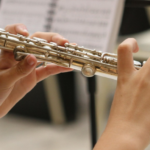
Whether you’re a seasoned flutist or an enthusiastic newcomer, the foundation of a captivating flute choir performance lies in its warm-up routine. A well-structured warm-up is the secret to harmonious collaboration and impeccable execution. It primes the mind and muscles, ensuring each note resonates with clarity and emotion.
Effective warm-ups focus on key aspects such as tone development, technical precision, and ensemble cohesion. By incorporating exercises that address these elements, flutists can unlock their full potential and create a truly uplifting performance.
In this guide, explore the essential exercises that transform a gathering of individual talents into a united sonic experience. Discover how strategic warm-ups can set the stage for a performance that captivates both players and audience alike.
Why Warm-Ups Are Essential Before Flute Choir Performances
Warm-ups are the backbone of a successful flute choir performance, serving both the individual musician and the ensemble as a whole. They awaken the body, providing flutists with the physical readiness to navigate complex musical passages with ease.
Beyond physical preparation, warm-ups enhance concentration and focus, creating a mental space where musicians can engage fully with the music. This mental clarity is crucial for interpreting subtle dynamics and timing, vital to achieving a cohesive sound.
As each member of the choir aligns their breath and rhythm through warm-ups, a shared sense of unity and teamwork emerges. This collective synergy not only elevates the quality of the music but also fosters an enriching and rewarding performance experience.
In essence, warm-ups are not merely exercises; they are essential rituals that open the door to expressive, unified, and vibrant flute choir performances.
Breathing Techniques to Improve Flute Choir Performance
Mastery of breath is the cornerstone of outstanding flute performance. For a flute choir, synchronized breathing is vital, ensuring each note is delivered with control and unity.
One effective technique is diaphragmatic breathing, which encourages deep, expansive breaths. This approach not only increases lung capacity but also supports a richer and fuller tone, essential for both solo and ensemble playing.
In addition, practicing controlled exhalation helps flutists sustain longer phrases with consistency and ease. It builds stamina and allows for dynamic variation, giving musicians the flexibility to expressively interpret the music.
Incorporating breathing exercises into warm-ups can help the choir develop a cohesive sound, as well-timed breaths lead to more synchronized entries and seamless phrasing.
Ultimately, refining breathing techniques enriches the performance, offering both power and subtlety that captivate and connect with the audience.
Stretches and Physical Warm-Ups for Flute Players
Engaging in physical warm-ups and stretches is crucial for flute players to maintain flexibility and prevent tension-related injuries. These exercises prepare the body for the physical demands of performance, promoting comfort and ease while playing.
Begin with gentle neck and shoulder rolls to release tension in common areas of strain. This simple routine helps maintain posture and reduces discomfort during extended practice sessions.
Arm and wrist stretches are essential, focusing on the fingers, wrists, and forearms. These stretches enhance dexterity and support fluid movement across the keys, crucial for technical precision.
Finally, incorporating a few minutes of deep breathing while stretching the upper body can invigorate flutists, enhancing focus and alertness.
By integrating these stretches into the warm-up routine, flute players cultivate a relaxed and responsive physical state, laying the groundwork for an expressive and injury-free performance.
Incorporating Scales and Technical Exercises in Flute Warm-Ups
Practicing scales and technical exercises is fundamental to a comprehensive flute warm-up, enhancing both agility and musicality. These exercises build a robust foundation, preparing flutists for any repertoire.
Scales serve as essential building blocks, promoting finger fluency and dexterity. Running through major, minor, and chromatic scales helps players navigate complex passages with confidence and precision.
Balancing Technique and Musicality
Incorporate arpeggios and intervallic exercises to further develop technical proficiency. These patterns challenge the coordination between fingers and breath, fostering a seamless connection and fluidity across the instrument.
Musical etudes can also be woven into the routine, bridging the gap between technical exercises and expressive playing. Select etudes that challenge and expand technical limits while encouraging phrasing and dynamic contrast.
By thoughtfully integrating scales and technical exercises into warm-ups, flutists cultivate a balanced technique that enhances both their technical prowess and musical expression in performance.
Importance of Dynamics and Articulation in Warm-Up Routines
Incorporating dynamics and articulation into warm-up routines is key to unlocking a flutist’s full expressive potential. These elements transform technical skills into captivating musical statements.
Begin with dynamic exercises that explore a wide range of volumes, from delicate pianissimo to powerful forte. This practice not only sharpens control over breath and sound production but also enriches emotional expression within the music.
Articulation: The Art of Clarity
Articulation exercises focus on clean and precise sound initiation, crucial for clarity in performance. Experiment with various tonguing techniques, such as legato, staccato, and double tonguing, to build versatility and precision.
Integrating dynamics and articulation exercises within warm-ups helps flutists craft more nuanced and expressive performances. The ability to seamlessly transition between dynamic levels and articulate with clarity enhances both solo and ensemble playing, creating a more engaging musical experience.
Through dedicated attention to these expressive tools, flutists can effectively convey the depth and emotion of their repertoire, captivating audiences with every note.
Mental Preparation and Focus Strategies for Flute Choir Performances
Mental preparation is as vital as physical readiness when it comes to delivering exceptional flute choir performances. Cultivating focus ensures each musician remains present and engaged throughout the performance.
Begin with mindful breathing exercises to center the mind. This not only calms performance anxiety but also enhances concentration, allowing musicians to be fully immersed in the music.
Visualization is another powerful tool, where flutists imagine themselves performing successfully. By visualizing every detail, from the opening notes to the final chords, musicians can mentally rehearse their contributions to the ensemble.
Building a Cohesive Mindset
Ensemble mental exercises enhance group synergy. Practices such as silent rehearsals, where the choir internally visualizes the piece together, foster a shared focus and understanding, strengthening the collective performance.
Integrating these mental strategies into preparation routines helps flutists overcome nerves, maintain focus, and deliver a cohesive and compelling performance that resonates with both listeners and performers alike. By prioritizing mental readiness, flute choirs can project confidence and artistry in every concert.
Developing a Customized Warm-Up Routine for Your Flute Choir
Every flute choir is unique, and designing a customized warm-up routine ensures that each group’s specific needs and strengths are addressed. Tailoring exercises to fit your ensemble enhances their overall cohesion and performance quality.
Start by assessing the skill level and musical goals of your choir. Whether focusing on tone, finger dexterity, or ensemble blend, the chosen exercises should align with the choir’s objectives.
Select a variety of warm-ups, ensuring a balanced approach that incorporates breathing techniques, scales, dynamics, and mental preparation. This comprehensive routine primes flutists physically and mentally for rehearsal or performance.
Regularly review and adjust the routine based on feedback and progress. This ensures that the warm-up remains relevant and continues to support the choir’s evolving needs and aspirations.
By developing a thoughtful and adaptable warm-up routine, flute choirs can build a solid foundation for successful and inspired musical experiences.
The Bottom Line: Optimizing Performance Through Effective Warm-Ups
In essence, effective warm-ups are pivotal for any flute choir, as they lay the groundwork for both individual and collective success. By embracing comprehensive routines that address breathing techniques, physical readiness, technical skills, and mental focus, flutists can enhance their musicality and performance confidence.
Each element, from scales and dynamics to mental preparation, plays a crucial role in refining overall musicianship. Tailoring these warm-ups to address the unique needs and goals of the choir ensures that every rehearsal and performance is approached with precision and artistry.
What’s more, by fostering a culture of dedicated preparation, flute choirs not only improve their sound but also strengthen their ensemble cohesion. This unity enables flutists to create music that resonates deeply with audiences, transforming performances into memorable experiences.
Ultimately, investing time in thoughtful warm-up routines pays dividends in performance quality. With ongoing commitment to these practices, flute choirs can continually elevate their craft, achieving new heights of musical expression and joy.
As you refine these routines, remember to remain adaptable and receptive to feedback. This flexibility ensures continual growth and enables your ensemble to flourish, capturing the full magic of the flute choir’s potential. With every warm-up, you set the stage for performances that are vibrant, cohesive, and truly engaging.
Enjoyed this article? Download my FREE Flute Gift and receive 5 beginner hymns plus a printable practice tracker.


You Might Also Like: