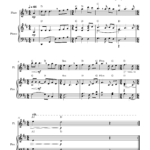
The piccolo, a delicate yet powerful instrument, holds a unique place in the world of music. Known for its bright, brilliant tone that can soar above an orchestra or band, the piccolo demands precision and artistry from those who play it. Navigating its challenges requires dedication and a nuanced approach to technique.
Despite its small size, the piccolo can be a formidable instrument, with its own set of intricacies that differ from the flute. Its high register can test even the most skilled flutist, necessitating a refined embouchure and impeccable breath control.
This guide delves into the essential elements necessary for mastering the art of playing the flute piccolo. From understanding its role in various musical settings to developing a personalized practice routine, each aspect of piccolo playing is explored comprehensively. Whether you’re an aspiring flutist eager to branch out or a seasoned performer looking to enhance your skills, this guide offers valuable insights and practical tips.
Embark on a journey into the enchanting world of the piccolo, and discover the joys and challenges of making this distinctive instrument sing.
Choosing the Right Flute Piccolo for You
Selecting your first piccolo or upgrading to a more advanced model is a significant step in your musical journey. The right instrument can greatly influence your playing experience, so it’s crucial to choose wisely.
Begin by considering your musical goals and experience level. Beginners may opt for a durable plastic or resin piccolo, ideal for learning the basics of flute playing while withstanding environmental changes. Advanced players, on the other hand, might prefer the nuanced tonal qualities of a wood or composite piccolo, which can deliver a richer, warmer sound.
Trying multiple piccolos is essential. Each instrument has unique features, such as key mechanisms and headjoint designs, which can affect playability and sound. Visit a music store or consult with a knowledgeable teacher to test different models and discover what feels comfortable and sounds appealing to you.
Budget is another crucial factor. While it’s tempting to opt for a more affordable option, investing in a quality instrument that meets your needs will pay dividends in your development and enjoyment.
A well-chosen piccolo will not only enhance your playing but also inspire you to reach new heights in your musical endeavors. Take the time to explore your options, and let your new piccolo become a cherished voice in your musical expression.
Essential Techniques for Playing Flute Piccolo
Mastering the piccolo requires specialized techniques that distinguish it from the standard flute. One of the most critical aspects is developing a focused embouchure, which is essential for producing a clear, brilliant tone across its challenging high register.
Breath support is equally vital. Due to the piccolo’s smaller size, a controlled yet dynamic airstream is necessary. Practicing long tones and breath control exercises will help refine your sound and ensure consistent intonation and dynamics.
Finger technique also plays a significant role. The piccolo’s smaller keys demand precise, nimble finger movements. Slow, deliberate scale practice can build the agility needed to handle intricate passages with ease.
Another crucial technique is developing a keen sense of pitch. The piccolo’s high register can easily go out of tune, so regular tuning with a tuner and attentive ear training are indispensable skills for maintaining accurate intonation.
Finally, explore the expressive capabilities of the piccolo by experimenting with different articulations and dynamic contrasts. Incorporating these techniques into your practice routine will deepen your understanding and appreciation of the instrument’s unique voice.
By committing to regular and focused practice, you’ll unlock the piccolo’s full potential, enriching your musical performances with its captivating sound.
Common Mistakes to Avoid As a Flute Piccolo Player
Embarking on your journey with the piccolo can be thrilling, yet certain pitfalls may hinder progress if not addressed early on. One prevalent mistake is neglecting the fundamentals of breath control. Without maintaining proper support, your sound may become shrill or inconsistent, detracting from the instrument’s potential brilliance.
Ignoring intonation is another common error. The piccolo’s tendency to veer off pitch, especially in its upper register, demands dedicated attention to tuning and ear training exercises. Overlooking these could lead to discordant performances.
Additionally, some players may underestimate the importance of a focused embouchure. A slack or poorly formed embouchure can result in a weak tone and difficulty in controlling dynamics. Consistent practice on embouchure exercises will refine your sound quality.
Rushing through practice sessions is also a frequent issue. Effective practice should be methodical and patient, focusing on precision and gradual progression rather than speed. Hasty practice can reinforce bad habits and inhibit technical development.
Finally, avoid underutilizing the piccolo’s expressive range. Developing a wide palette of articulations and dynamics can elevate your playing from merely competent to truly captivating.
Being mindful of these common mistakes and actively correcting them will significantly enhance your progress, ensuring a rewarding piccolo playing experience.
Mastering the Art of Expressive Performance on Flute Piccolo
Unleashing the expressive potential of the piccolo elevates your playing from technically proficient to emotionally compelling. At its core, expressive performance hinges on effective communication of emotion and musical intent to your audience.
Focusing on dynamics is pivotal. The piccolo’s natural brightness can be tempered with skillful use of crescendos and diminuendos, adding depth and contrast to your interpretation. Experimenting with dynamic extremes can create breathtaking musical moments.
Cultivating Vibrato
Vibrato is another tool for expressive nuance. Developing a consistent and controlled vibrato enriches your tone and adds warmth and humanity to your playing. Practice slow vibrato exercises to integrate this into your expressive arsenal.
Articulation choices further shape your performance. Thoughtful use of legato, staccato, and accents can convey different characters and moods, enhancing storytelling through music. Don’t shy away from incorporating unconventional articulations, like flutter-tonguing, to evoke unique soundscapes.
Furthermore, consider the emotional narrative of each piece. Connecting with the story or mood behind the music will guide your expressive decisions, ensuring authenticity and resonance with listeners.
Embracing Musical Phrasing
Musical phrasing is the final key to expressive piccolo playing. Deliberately shaping phrases by highlighting peaks and valleys creates an engaging musical journey. By weaving together all these elements, you showcase the dynamic versatility of the piccolo, making every performance a memorable, heartfelt experience.
The Bottom Line: Practice, Persistence, and Passion
Embarking on the journey to master the piccolo is both a challenging and rewarding pursuit. As you navigate this path, remember that the cornerstone of progress lies in diligent practice. Regular, focused practice sessions will not only enhance your technical prowess but also deepen your connection with the instrument.
Persistence is vital. Every musician encounters obstacles, but it’s how you face them that defines your growth. When challenges arise, view them as opportunities to learn and refine your skills further. With dedication and perseverance, even the most daunting aspects of piccolo playing can be transformed into strengths.
Passion is the driving force that fuels your commitment. Let your love for music inspire and motivate you, turning each practice session into an exploration of your musicality. This enthusiasm will resonate in your performances, capturing the hearts of your audience.
By honing your technique, avoiding common pitfalls, and embracing the expressive capabilities of the piccolo, you lay the foundation for becoming a skilled and insightful player. Celebrate small victories along the way and be patient with your progress.
Ultimately, mastering the piccolo is a journey of growth and self-expression. With unwavering practice, steadfast persistence, and genuine passion, you will unlock the beauty and brilliance of the piccolo, enriching both your life and those who have the pleasure of hearing your music.
Enjoyed this article? Download my FREE Flute Gift and receive 5 beginner hymns plus a printable practice tracker.


You Might Also Like: