Discovering the enchanting sound of the 5-hole flute is a journey that merges history, culture, and personal expression. With roots deeply embedded in various indigenous traditions, this instrument offers a unique musical voice that speaks across generations and geographies.
Mastering its finger chart is the cornerstone of unlocking its melodic potential. Whether you’re a beginner embarking on your first steps into the world of fluting or a seasoned player looking to refine your skills, understanding the nuances of the 5-hole flute can be both rewarding and transformative.
In this guide, you’ll dive deep into clear and intuitive finger chart techniques, equipping you with the knowledge to produce harmonious and expressive tones. Prepare to embrace a musical experience that is as much about personal discovery as it is about mastering an ancient art. Let the melody of the 5-hole flute become your new language of expression.
Understanding the Basics of the 5 Hole Flute
The 5-hole flute is a wonderful gateway into the world of woodwind instruments, celebrated for its simplicity and expressive sound. Unlike its more complex relatives, it consists of just a few components: a body with five strategically placed holes and a mouthpiece designed for effortless playing. This simplicity invites players of all levels to explore their own musicality.
To begin your journey, familiarize yourself with the flute’s body. Each hole corresponds to a specific note, and learning to cover them accurately with your fingers is essential. The positioning of your fingers can affect the tone and pitch, making consistent practice crucial for developing a rich, melodic sound.
Breath control is another fundamental aspect. Unlike instruments with reeds, the 5-hole flute relies on the natural flow of air from your lungs, directed across the mouthpiece. Control and stability of breath will ensure you achieve a clear and consistent tone.
Lastly, it’s important to develop a feel for the flute’s material. Whether crafted from wood, bone, or contemporary materials, the texture and weight can vary, influencing your playing technique. Embrace this tactile experience and let it inform your unique approach to playing the 5-hole flute.
Exploring the Finger Chart Layout
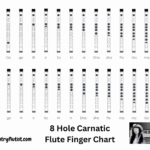
Embarking on the journey of mastering the 5-hole flute begins with decoding the finger chart layout. This chart is your road map, guiding you through the series of notes that can be conjured from this humble instrument. Each diagram represents a specific note, with filled or empty circles indicating where your fingers should rest.
Visual learners will find immense benefit in tracing these charts while simultaneously practicing the positioning with their fingers. Start from the basic tones and gradually work your way through more complex sequences. Consistently referring to the chart while playing will train your muscle memory, enabling you to transition seamlessly between notes.
Understanding these charts isn’t solely about pressing the right spots. It’s about learning the relationship between finger placements and the resulting pitch and tone. As you practice, you’ll notice patterns and shortcuts that can make transitioning between notes more fluid.
Dedicate time to experiment, allowing your ears to guide you as much as your eyes. The finger chart layout will serve as both a guide and an inspiration, leading you to uncover new musical landscapes with the 5-hole flute. With patience and perseverance, this chart will evolve from a tool for learning into a canvas for creativity.
Mastering Finger Placement Techniques
With the finger chart firmly in mind, the next step is to refine your finger placement techniques for the 5-hole flute. Precision and agility in your fingers will ensure fluid movement between notes, enhancing your overall playing experience.
Begin by ensuring your fingers are relaxed and lightly arched, poised above the holes. This positioning not only facilitates quick transitions but also minimizes fatigue, allowing for longer practice sessions. As you practice, focus on creating a seal with each finger to prevent air leakage, which can disrupt the purity of your sound.
Building Dexterity in Fingers
Exercises that promote dexterity will be invaluable. Practice lifting and lowering individual fingers with control, experimenting with sequences from the finger chart. Repetition solidifies these pathways, making your movements intuitive and responsive.
Timing is equally crucial in mastering finger placement. Incorporate rhythm exercises to synchronize finger movements with your breath, ensuring each note is played at the right moment. Over time, this synchronization will become second nature, allowing for expressive and rhythmic playing.
Through dedication and practice, your finger placement will become effortless, amplifying the natural beauty of the 5-hole flute. With each note, you’ll uncover the instrument’s potential for dynamic and captivating melodies.
Practicing Scales and Songs
With finger placement techniques finely honed, the journey continues into practicing scales and songs. Scales form the foundation of musical fluency, providing a structured approach to explore the full range of your 5-hole flute.
Start with basic scales, which will reinforce your familiarity with the instrument’s core notes. Practicing these daily helps develop both technical skill and a deeper understanding of musical relationships. As you move through the scales, focus on even breath control and consistent finger pressure to ensure a smooth, flowing sound.
Transitioning from Scales to Songs
Once you’re comfortable with scales, transition to simple songs that incorporate familiar melodies. Select pieces that utilize the notes within the scales you’ve mastered, as these will integrate your technical practice into musical expression. Playing songs also helps improve timing and rhythm, adding emotion to your playing.
Seek out diverse genres that challenge your abilities and broaden your repertoire. Each new song is an opportunity to showcase the expressive qualities of the 5-hole flute and your growing mastery of its sound. Embrace the challenge and allow each practice session to bring you closer to achieving musical fluency and personal expression on this captivating instrument.
Enhancing Your Flute Playing Skills
As your journey with the 5-hole flute progresses, there are numerous ways to enhance your playing skills and enrich your musical experience. Delving deeper into advanced techniques can open new avenues for creativity and expression.
Consider exploring embellishments such as trills and grace notes to add flair to your performances. These techniques can transform a simple melody into a captivating musical experience, showcasing the versatility of the flute. Experiment with dynamics, varying the volume and intensity of your notes to convey emotion and nuance.
Listening to recordings of skilled flute players can also provide insight and inspiration. Analyzing their phrasing, tone, and use of space will offer new ideas to incorporate into your own style. Engaging with a community of musicians, whether in person or online, can enhance your learning through shared experiences and insights.
Furthermore, recording your practice sessions allows you to monitor your progress and identify areas for improvement. Self-assessment is a powerful tool for refining your technique and achieving your musical goals.
The key to flourishing as a flutist lies in maintaining curiosity and a willingness to explore new possibilities. By pushing the boundaries of your skills, you’ll continue to evolve as a musician and deepen your connection to the timeless art of flute playing.
Conclusion: Tips for Continued Improvement
As you continue your musical journey with the 5-hole flute, remember that progress is an ongoing process. It’s important to remain patient and persistent, as these qualities will support your growth and development as a player.
To keep your skills sharp, make regular practice a priority. Even short, daily sessions can make a significant difference over time. Consistency not only reinforces muscle memory but also helps you maintain fluidity and confidence in your playing.
By the same token, set achievable goals that challenge but don’t overwhelm you. Whether it’s mastering a new scale or learning a challenging piece, having specific objectives will give you direction and motivation. Celebrate small victories along the way to keep your enthusiasm alive.
Embrace opportunities to perform, whether informally for friends and family or more formally in community settings. Sharing your music builds your confidence and can provide valuable feedback, helping you refine your skills further.
Seeking out learning resources, such as books, online courses, or workshops with experienced flutists, can also enhance your understanding and technique. Additionally, don’t hesitate to explore different musical genres and styles; they can inspire creativity and expand your repertoire.
Lastly, nurture a sense of curiosity and playfulness. Music is as much about emotion and expression as it is about precision and technique. Let your passion guide you, using the technical foundation you’ve built to explore the endless possibilities of the 5-hole flute.
In committing to continual improvement, you’ll find that your abilities as a flutist will flourish, allowing you to create and share the beautiful music that resonates from this enchanting instrument.
Enjoyed this article? Download my FREE Flute Gift and receive 5 beginner hymns plus a printable practice tracker.


You Might Also Like: