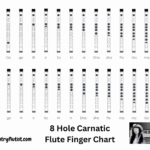
Embarking on the journey of mastering the 4 hole flute can be both exciting and immensely rewarding. This simple yet powerful instrument offers a unique way to express oneself through music, and understanding its finger chart is crucial for producing beautiful melodies.
The 4 hole flute has charmed musicians and listeners for generations with its distinct, mellow sound. Mastery begins with understanding how each hole contributes to the notes produced and how different combinations can create a variety of tones.
This comprehensive guide will break down the nuances of the 4 hole flute’s finger chart, offering tips and techniques that cater to both beginners and more experienced players. By the end, you’ll have the confidence to navigate the flute’s intricacies and unleash its full musical potential.
Exploring the Basics of the 4 Hole Flute Finger Chart
At the core of playing the 4 hole flute is the understanding of its finger chart. Each hole plays a vital role in determining the pitch, and mastering how to cover these holes precisely will unlock a spectrum of musical possibilities.
The primary pattern involves combinations of covered and uncovered holes, which correspond to different notes. Begin by familiarizing yourself with the chart: the top hole is typically denoted as number one, and subsequent holes follow sequentially down the flute.
Finger placement is key, requiring relaxed fingers and a gentle, airtight seal over each hole. Experiment with different combinations to see how they affect the sound. This practice not only builds dexterity but also enhances your auditory memory, an essential skill for any musician.
Understanding breath control is equally important. The force and angle of your breath significantly impact the note’s clarity and pitch. Aim for a steady, even flow, adjusting your embouchure to find the sweet spot for each note.
As you navigate the basics, patience and curiosity will serve you well. Take time to explore and internalize these foundational elements, paving the way for a more expressive and nuanced performance.
Understanding the Finger Positions for Each Note
Diving deeper into the world of the 4 hole flute involves a closer look at finger positions. Each note you play is a product of deliberate finger placement and the subtleties of your touch.
Start with the fundamental note, which typically involves all holes being covered. This serves as your reference point and a basis for adjusting your fingers to reach other pitches.
A Systematic Approach
For ascending notes, gradually lift your fingers sequentially from the bottom hole to the top. This progression will help you distinguish the distinct sound of each note, making it a practical exercise for ear training.
Conversely, descending notes require placing fingers back one by one, a technique that will hone the smoothness of your transitions.
Developing Muscle Memory
Consistency in practice fosters muscle memory, essential for achieving fluidity in your play. By repeatedly practicing these positions, your fingers will start to instinctively find their way, allowing you to focus more on the expressive aspects of performance.
Remember, the journey of learning finger positions is both technical and creative. Embrace this balance, and let your growing familiarity with the flute guide your artistic expression.
Tips and Techniques for Mastering the 4 Hole Flute Finger Chart
To excel in playing the 4 hole flute, integrating specific tips and techniques into your practice routine can be transformative. A methodical approach not only reinforces your understanding of the instrument but also enriches your overall musical experience.
Begin by incorporating regular finger exercises. Practicing scales routinely ensures that your fingers become nimble and adaptable. Use a metronome to gradually increase your speed, ensuring each note remains clear and precise.
Listening is as important as playing. Record your practice sessions and listen back to identify areas for improvement. This feedback loop is crucial for refining your technique and enhancing tonal quality.
Breath control exercises will further augment your mastery. Proper breathing improves note sustainment and dynamic control, crucial for expressive performances. Consider practicing long tones, gradually increasing duration while maintaining a consistent sound.
Engage with a variety of musical styles. Different genres can offer new perspectives and techniques that enhance your adaptability and creativity.
Lastly, remain patient and persistent. Mastery is a gradual process; embracing each stage of learning will ultimately lead to a deeper connection with the flute. Celebrate the small victories along the way, and let your passion fuel continuous improvement.
Common Mistakes to Avoid When Utilizing the Finger Chart
Navigating the finger chart of a 4 hole flute can be an enriching challenge, but certain common mistakes may impede your progress. Awareness and avoidance of these pitfalls will support a smoother path toward mastery.
One frequent error is improper finger placement. Ensure that each finger creates a firm seal over the holes to avoid unwanted air leakage, which can distort the sound. Regularly check your finger positioning as part of your practice routine.
Overlooking Breath Coordination
Another common mistake is neglecting proper breath control. Inconsistent breathing can lead to uneven tones and disrupted flow. Prioritize exercises that establish a stable and controlled air stream to complement your finger movements.
It’s also important to avoid rushing through learning finger positions. Hasty practice often leads to miscoordination and frustration. Instead, focus on accuracy and consistency, gradually building speed once you feel comfortable with each note.
Neglecting Regular Practice
Irregular practice is a significant barrier to improvement. Establish a consistent practice schedule to build muscle memory and reinforce learned techniques. Even brief, daily sessions are more effective than infrequent, longer practices.
By sidestepping these common mistakes, you create a supportive learning environment that fosters steady progress and enhances your enjoyment of playing the 4 hole flute.
Utilizing the Finger Chart for Playing Melodies
Once you’re confident with the basics of the 4 hole flute finger chart, it’s time to translate that knowledge into playing melodies. This transition marks an exciting phase in your musical journey, allowing you to express creativity through familiar tunes.
Start with simple melodies. Children’s songs or traditional folk tunes are great choices as they often utilize a limited range of notes, making them perfect practice material. Focus on capturing the essence of the melody through accurate finger positions and even breath control.
Listening to music is equally beneficial. Familiarize yourself with melody lines by ear and try to replicate them using the finger chart. This exercise not only improves your listening skills but also enhances your ability to adapt finger positions instinctively.
Experimentation with different melodies also cultivates a deeper understanding of how finger positions create emotion in music. Each note transitions into the next, opening a world of dynamic possibilities and expressive interpretation.
Remember, patience and practice are key. Allow yourself the freedom to explore, make mistakes, and grow as a musician. With time and dedication, the finger chart will become a versatile tool, transforming simple notes into captivating melodies.
Mastering Complex Songs with the 4 Hole Flute Finger Chart
Once you’ve become comfortable with simpler melodies, the next challenge is tackling more complex songs. This step demands refined technical skill and a deeper understanding of your instrument’s capabilities.
Begin by isolating challenging sections. Break down these parts into smaller, manageable segments and practice them slowly, ensuring accuracy in finger positioning and breath control. Gradually increase your speed as your confidence grows.
Focus on smooth transitions between notes. Maintaining an even tempo while shifting fingers smoothly is crucial for retaining the flow of complex pieces. Implement exercises that focus on gradual finger movements to facilitate seamless changes.
Dynamic Interpretation
Exploring dynamics is essential when mastering intricate compositions. Use breath control to experiment with volume and intensity, adding layers of emotion and depth to your performance.
Regular practice of complex songs will inevitably lead to improvement in technique and expression. Remember to listen critically to your progress, identifying areas for further refinement.
Seeking inspiration from accomplished flutists can also provide new insights. Observing their techniques can offer guidance on tackling specific challenges and inspire your artistic interpretation.
The journey to mastering complex songs is an enriching experience, building upon your foundational skills to achieve greater musical expression and enjoyment with the 4 hole flute.
Enhancing Your Skill Through Regular Practice
Regular practice is the cornerstone of musical mastery and is particularly important when learning to play the 4 hole flute. Consistent practice not only solidifies your technique but also deepens your connection to the music.
Establish a daily practice routine that includes warm-ups, technical exercises, and repertoire work. Consistency helps build muscle memory, making finger positions more intuitive and improving your response time.
Variety in Practice
Incorporate a range of exercises to keep your practice engaging. Include scales and arpeggios alongside exploration of new pieces. This variety will develop versatility and prevent monotony, keeping your practice sessions lively and effective.
Listening to recordings of accomplished flutists can provide new insights and inspirations. By observing different styles and techniques, you can refine your own playing and discover fresh approaches to interpreting music.
Set achievable goals for each practice session. Whether it’s increasing speed, mastering a challenging passage, or expanding your repertoire, having clear objectives will guide your progress and provide a sense of accomplishment.
Remember, progress is a gradual journey. Celebrate your milestones, however small, and use them as motivation to continue exploring the expressive possibilities of the 4 hole flute through diligent practice.
The Bottom Line: Perfecting Your Flute Playing with the 4 Hole Finger Chart
In conclusion, mastering the 4 hole flute finger chart is a stepping stone to becoming a proficient and expressive musician. By understanding the basics and dedicating time to learning precise finger positions, you lay a strong foundation for your musical journey.
Consistent practice and attention to detail will yield improvement, allowing you to progress from simple tunes to complex compositions. As you advance, each note becomes an opportunity for expression, infusing your unique style into the music you play.
Furthermore, avoiding common pitfalls by focusing on proper technique and breath control ensures that your practice is both effective and enjoyable. As you continue to refine your skills, the finger chart becomes a valuable tool in your musical toolkit, facilitating the transition from technical precision to artistic creativity.
Incorporating a variety of exercises and setting clear goals for your practice sessions will maintain your enthusiasm and drive continued growth. Over time, your dedication will manifest in greater fluency and confidence with the instrument.
Ultimately, the journey to perfecting your flute playing with the 4 hole finger chart is one of exploration and personal growth. Embrace each lesson learned along the way and allow your passion for music to guide you. With patience and perseverance, the melodies you create will not only reflect your technical prowess but also resonate with the joy and artistry that the 4 hole flute inspires.
Enjoyed this article? Download my FREE Flute Gift and receive 5 beginner hymns plus a printable practice tracker.


You Might Also Like: