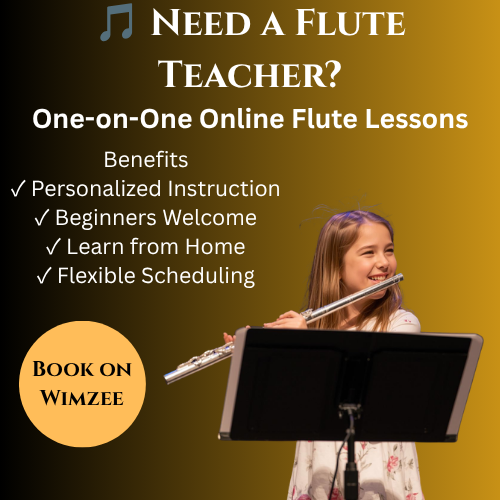
In today’s digital age, learning the flute is more accessible than ever. Virtual flute lessons open doors for beginners, offering the flexibility to learn from home while connecting with experienced instructors worldwide.
Embarking on this melodious journey, you might ask, how do virtual lessons differ from traditional ones? Fortunately, despite the screen between you and your teacher, effective techniques and personalized guidance remain at your fingertips.
As a beginner, exploring a new musical landscape can be thrilling yet a bit daunting. With the right resources and commitment, your online flute education can be as enriching as in-person sessions. Whether you’re starting from the basics or exploring advanced techniques, virtual lessons offer tailored experiences just for you.
Dive into the world of virtual flute learning and discover the keys to mastering your craft with ease and enthusiasm.
How to Choose the Right Virtual Flute Instructor
Finding the right virtual flute instructor is crucial for your growth and enjoyment. Begin by identifying your musical goals. Are you aiming to play classical pieces, or do you prefer a more contemporary style? This will guide your search.
Consider the teaching experience of potential instructors. Look for someone who can cater to beginners and understands the nuances of virtual teaching. Reviews and testimonials can provide insights into their effectiveness.
Evaluating Teaching Style
Observe an instructor’s teaching style. A good instructor should be patient and adaptable, able to adjust their approach to suit your learning pace. Many offer trial lessons—take advantage of these to ensure a good fit.
Don’t overlook technology compatibility. Ensure the teacher uses reliable platforms that enhance your learning experience, offering clear audio and video quality.
Finally, ensure their schedule aligns with yours to maintain consistency in your lessons. A committed and communicative instructor partnered with your dedication paves the way for a rewarding musical journey.
Setting Up Your Virtual Learning Environment
A well-prepared virtual learning setup is key to successful flute lessons. Start by choosing a quiet, comfortable space where you can focus without interruptions. Good lighting is essential—ensure your instructor can clearly see your hand positioning and posture.
Invest in quality equipment. A reliable computer or tablet with a stable internet connection minimizes technical glitches. Consider an external microphone to improve sound quality, capturing the nuances of your playing.
Ensure your device’s camera is set at an angle that offers the best view of your flute and embouchure. This helps your instructor provide more precise feedback on your technique.
Have your sheet music and flute accessories within reach, so you won’t interrupt your learning flow. This organized environment supports a more productive lesson and fosters a disciplined practice habit.
Mastering Basic Techniques Through Online Lessons
Beginners can effectively learn foundational flute techniques through online lessons. Start with breath control, essential for producing a clear, consistent tone. Many virtual instructors use exercises to develop lung capacity and breath support.
Next, focus on posture and hand positioning. Proper technique prevents strain and enhances performance. Your instructor will guide you with visual demonstrations and corrections to ensure you’re holding the flute correctly.
Developing Tone Quality
Emphasizing tone quality is crucial. Work on long tones and harmonics, which are common exercises used to refine your sound. The ability to receive immediate feedback helps fine-tune your embouchure adjustments, leading to a rich, resonant tone.
Lastly, embrace rhythm and timing. Online tools like metronome apps can be integrated into lessons to help keep your playing in time. Consistent practice with these resources will solidify your understanding of tempo, enhancing your musicality and precision.
Utilizing Technology to Enhance Your Practice Sessions
Integrating technology can significantly boost the efficiency and enjoyment of your flute practice sessions. Many apps and software provide access to a wide range of practice tools and resources tailored for musicians.
Recording your practice sessions is a valuable way to track your progress. By listening back, you can identify areas for improvement and celebrate milestones. Consider using simple recording apps to capture your playing.
Interactive Learning Tools
Engage with interactive learning tools. Apps that offer sheet music with adjustable play-along tracks can enhance your sight-reading skills and rhythm accuracy. These tools allow you to play in sync with virtual ensembles, enriching your practice.
Don’t forget about online metronomes and tuners, which are essential for maintaining accurate timing and intonation. These applications are easy to incorporate into your daily routine, helping you stay on track and in tune.
By leveraging these technologies, your practice sessions will become more productive and dynamic, ultimately leading to a more fulfilling flute learning experience.
Perfecting Your Skills and Progression
As you advance in your virtual flute learning journey, focus on refining your skills and celebrating your progression. Consistent practice, paired with insightful instruction, lays a robust foundation for mastery and musical enjoyment.
Continue to challenge yourself with new material that pushes your boundaries. Diversify your repertoire by incorporating various genres, which can enhance your adaptability and deepen your appreciation for music’s richness. Whether classical, jazz, or contemporary, each style presents unique challenges and rewards.
Remember, progress is not always linear. There will be days when playing feels effortless and others when improvement seems elusive. During challenging times, revisit your initial goals and acknowledge how far you’ve traveled on this musical path. Persistence and patience are your greatest allies.
Equally, consider sharing your musical accomplishments. Recording performances or participating in virtual recitals offers valuable experience and boosts your confidence. Engaging with a community of fellow learners can provide support and inspiration, fostering motivation to keep advancing.
Harness the power of reflection. After each practice session, take a moment to evaluate your achievements and identify areas for further focus. This mindful approach will help instill greater musical discipline and growth.
In conclusion, mastering the flute through virtual lessons offers an enriching and flexible experience. As your skills flourish, so too will your passion for the flute. Keep embracing the small steps toward improvement—their collective impact will guide you toward true musical excellence.
Enjoyed this article? Download my FREE Flute Gift and receive 5 beginner hymns plus a printable practice tracker.


You Might Also Like: