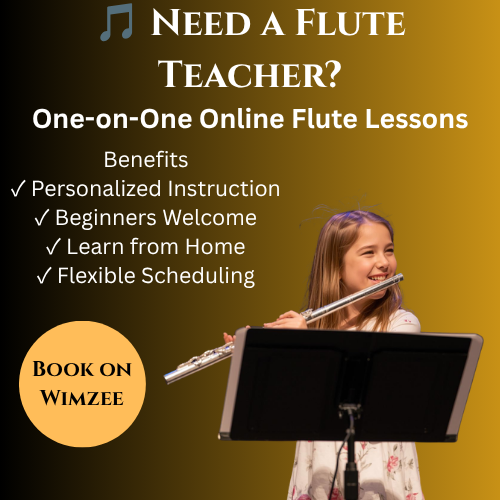
Thinking about picking up the flute but not sure you want to sign up for lessons just yet? Many aspiring flutists wonder if it’s possible to master this elegant instrument independently.
The allure of self-directed learning is strong. It offers flexibility and the comfort of progressing at your own pace. However, before diving in, it’s important to consider the unique challenges of learning the flute on your own.
The flute is a complex instrument. Producing a sound requires precise control of your breath and embouchure. Understanding sheet music and learning proper finger positions are crucial steps that can be trickier without guidance.
That’s not to say it’s impossible. With today’s technology, online resources and tutorial videos abound. These tools can provide valuable insights and demonstrations.
Join us as we explore the ins and outs of becoming a self-taught flutist and weigh the pros and cons to help you decide the best path for your musical journey.
Benefits of Self-learning the Flute
Embarking on the journey to learn the flute on your own can be incredibly rewarding. One of the most significant advantages is flexibility. You’re able to set your own pace and schedule, practicing whenever and wherever suits you best.
This independence allows for a personalized learning experience. You can focus on the genres and pieces that interest you most, tailoring your practice sessions to align with your musical tastes. This can make the learning process more enjoyable and engaging.
Additionally, teaching yourself fosters self-discipline and problem-solving skills. As you navigate challenges independently, you’ll develop a deeper understanding of the instrument and how to overcome obstacles.
Cost is another consideration. Learning the flute on your own can be a more affordable option as it eliminates the need for regular lesson fees. Access to free online resources further offsets costs, offering tutorials and sheet music.
Not only that, but, self-learning can spark a unique creative journey. As you explore the instrument and its possibilities, you might find yourself improvising and composing music, leading to a unique and fulfilling artistic expression.
Challenges Faced When Learning Flute on Your Own
While self-learning the flute has its charms, it’s not without challenges. One major hurdle is the lack of immediate feedback. Without a teacher, it can be hard to identify and correct mistakes, which can lead to ingrained bad habits over time.
Isolation in learning can also be a drawback. Without regular interaction with a teacher or musical peers, motivation can wane, making perseverance more difficult when progress seems slow.
Understanding advanced techniques and music theory can be particularly challenging without guidance. Resources may explain these concepts, but they often lack the personalized instruction that helps bridge knowledge gaps.
Self-directed learners may also struggle with the intricacies of flute maintenance. Proper care and handling are crucial for both the instrument’s longevity and sound quality, yet detailed guidance can be scarce.
Lastly, the initial learning curve for producing clear and consistent notes can be steep without expert help. The intricacies of breath control and finger positioning can be daunting when navigating them alone.
Being aware of these challenges can help prepare you for the journey ahead and guide you in seeking additional resources and support when needed.
Effective Strategies for Self-Teaching the Flute
Embarking on a self-teaching journey with the flute requires a strategic approach to maximize progress. Begin by setting clear and achievable goals. This creates a roadmap for your practice sessions and keeps you motivated over time.
Routine is essential. Designate a regular practice schedule that allows for consistent improvement, while remaining flexible enough to adjust when necessary. Brief but frequent practice sessions are often more effective than longer, sporadic ones.
Leverage technology. Use online tutorials, instructional videos, and apps designed for flute learners. These resources can provide demonstrations and interactive exercises to enhance your skills.
Recording yourself while playing is invaluable. This allows you to objectively assess your performance, identify areas for improvement, and track your progress over time.
Consider joining online communities or local music groups. Engaging with other flutists provides support, feedback, and inspiration, breaking the isolation of self-learning.
Invest in quality instructional books and materials that cover the fundamentals and progressively introduce advanced techniques. These can guide your learning in a structured manner.
Lastly, remain patient and persistent. Self-teaching can be a challenging but rewarding process, and maintaining a positive attitude is key to overcoming hurdles and achieving your musical goals.
Resources Available for Self-Study in Flute Learning
A wealth of resources is available to support self-directed flute learners. The internet is a treasure trove of content, with numerous websites offering free sheet music and instructional videos. Platforms like YouTube host channels dedicated to flute tutorials, covering everything from basic techniques to advanced skills.
Online courses and apps provide structured learning paths. These often include practice exercises, video lessons, and interactive features, offering a more comprehensive study approach at your own pace.
Instructional books, both physical and digital, are invaluable for self-learners. They offer methodical and detailed guidance on flute techniques, music theory, and repertoire. Books by renowned flute educators can provide the solid foundation needed to progress effectively.
Consider podcasts and webinars as well. These resources can offer expert insights and inspiration, often delving into topics that extend beyond technical proficiency, such as musicality and performance skills.
Lastly, local libraries and music stores can be excellent sources for borrowing or purchasing instructional materials. Engaging with these resources allows for a broader understanding of musical styles and techniques, enhancing your self-learning journey in flute playing.
Conclusion: Considering Self-Learning Vs. Traditional Lessons
Deciding between self-learning and traditional flute lessons is a personal choice that depends on your goals, learning style, and resources. Self-teaching offers the freedom to explore music on your own terms, diving into the genres and pieces that excite you most. It fosters a sense of independence and self-discipline, as you become both student and teacher in your musical journey.
However, traditional lessons bring unique advantages. A skilled instructor can provide immediate feedback, ensuring proper technique and preventing the formation of bad habits. Lessons also offer a structured approach to learning, with a curriculum that builds your skills methodically. This can be especially beneficial for beginners who may struggle with the initial learning curve.
In light of this, the guidance of an experienced teacher can provide motivation and accountability, helping to maintain consistent progress. Being part of a musical community, even if just with a teacher, can be inspiring and offer access to performance opportunities and connections.
Combining both methods is also an option. You can supplement personal exploration with occasional lessons to receive expert guidance and critique. This hybrid approach can offer the best of both worlds, allowing for personalized learning while benefiting from professional insights.
Ultimately, the best path is one that aligns with your personal preferences and lifestyle. Whether through self-study or traditional lessons, the journey of learning the flute should be fulfilling and tailored to your unique aspirations. Whichever route you choose, embracing the joy of music and the process of learning is what truly matters.
Enjoyed this article? Download my FREE Flute Gift and receive 5 beginner hymns plus a printable practice tracker.


You Might Also Like: