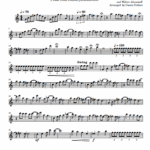
Transitioning from beginner to intermediate flute can be an exhilarating journey. This is when you truly start to explore the vast capabilities of your instrument. Intermediate sheet music holds the key to unlocking your potential, offering pieces that challenge and inspire you.
As you delve deeper, you’ll encounter a wide array of genres, from classical masterpieces to contemporary hits. These compositions will test your technique and expand your musical understanding, while nurturing your expressive abilities. Embracing this new repertoire will undoubtedly enrich your practice sessions and cultivate a deeper connection with the flute.
Utilize these opportunities to build confidence and discover the nuanced beauty of your instrument. As you progress, remember that every new piece is a stepping stone, contributing to your growth as a musician. Unlock your potential by diving into the dynamic world of intermediate flute sheet music.
How to Progress from Beginner to Intermediate Level
Embarking on the journey to become an intermediate flutist requires a balance of discipline and curiosity. A structured practice routine will serve as your foundation, enabling you to build upon the techniques acquired at the beginner level.
Master the Fundamentals
Begin by refining your technique. Focus on tone production, breath control, and finger agility. Scale exercises and arpeggios should become part of your daily practice. These foundational elements will enhance your overall sound and dexterity.
Explore stylistic nuances by listening to recordings of accomplished flutists. Immersing yourself in various genres will provide insight into different expressive possibilities, inspiring you to emulate and innovate in your playing.
Expand Your Musical Vocabulary
As you transition to more complex pieces, increase your familiarity with music theory. Understanding the structure and harmony of the music you play can deepen your interpretive skills. Sight-reading exercises will also aid your journey, making you a more versatile musician.
Remember, patience is essential. Growth isn’t linear, and setbacks are a natural part of the process. Celebrate small victories and remain committed to continuous learning. With time and dedication, you’ll find yourself confidently navigating the rewarding challenges of intermediate flute music.
Exploring the Range of Intermediate Flute Sheet Music
Intermediate flute sheet music offers an expansive palette of expressive possibilities. At this level, you’ll find a treasure trove of pieces that challenge and stimulate your musical appetite, opening up new worlds of sound and creativity.
Dive into classical works by composers such as Bach, Telemann, and Mozart. These timeless pieces are not only technically demanding, but they also enrich your understanding of classical phrasing and style. Each piece presents unique opportunities to refine your articulation and dynamic control.
Beyond classical, intermediate sheet music includes arrangements of modern songs and jazz standards. These genres allow you to experiment with rhythm, improvisation, and expressiveness. They also introduce diverse articulation techniques that will diversify your musical vocabulary.
Don’t shy away from exploring folk and world music. These genres provide insight into different musical traditions and can enhance your cultural appreciation. Experimenting with these pieces can bring a fresh perspective to your practice routine.
Consistently challenging yourself with a wide variety of music will keep your practice engaging and rewarding. As you explore, keep an open mind and let each piece inspire your journey, offering new insights and achievements in your flute playing.
Techniques for Mastering Complex Flute Compositions
Conquering complex flute compositions is both thrilling and challenging. These pieces demand a blend of technical proficiency and emotional depth, testing all aspects of your musicianship.
Start with thorough score analysis. Familiarize yourself with the structure, key changes, and intricate passages of the piece. Understanding the composer’s intentions helps in crafting a meaningful interpretation. Breaking the music into manageable sections can prevent overwhelm and clarify tricky transitions.
Slow practice is crucial. Gradually increase your tempo as you gain confidence in each section. This methodical approach ensures precision and helps internalize difficult aspects, such as rapid fingerings or complex rhythms.
Focus on breathing effectively to maintain stamina and support throughout demanding passages. Breathing exercises can improve your breath control, enabling a steady and resonant tone, even in technically challenging sections.
Employing recording in your practice is beneficial. Listening back allows you to objectively assess intonation, timing, and dynamics, helping to pinpoint areas for improvement.
Finally, patience and perseverance are key. Mastering intricate compositions takes time and dedication. Celebrate the incremental progress you make, and let each rehearsal inspire your continued growth as a versatile musician.
Understanding Musical Expression in Intermediate Pieces
Musical expression transforms notes on a page into a compelling and emotive performance. At the intermediate level, it’s crucial to go beyond technical precision and delve into the expressive potential of each piece.
Interpreting the Score
Start by studying the composer’s markings. Dynamics, articulations, and tempo indications are your guide to the emotional intent behind the music. Consider how these elements can shape the narrative and mood of your performance.
Listen to various interpretations to gather insights into how different flutists convey emotion. However, allow space for personal expression. Infuse your personality into every phrase, creating a unique rendition that resonates with you and your audience.
Nuanced expressions often emerge through experimentation. Play with varied dynamics, explore subtle tempo changes, and experiment with vibrato to enhance your storytelling. Use these tools to evoke the desired feeling and add depth to your performance.
Communicating Emotion
Connect with the music by relating passages to personal experiences or emotions. This connection often translates into more genuine expression in your playing.
Remember, conveying musical expression requires awareness and mindful practice. Let each performance be an opportunity to engage deeply with the music, communicate its essence, and leave a lasting impression.
The Importance of Practice and Patience
The journey from novice to adept flutist thrives on the twin pillars of practice and patience. These essential elements lay the groundwork for steady and meaningful progress in your musical journey.
Consistent practice is crucial in nurturing your skills. Establish a routine that encourages a balanced focus on technique, expression, and repertoire. Quality trumps quantity; even short, focused practice sessions can yield significant results over time.
Patience is equally vital in this process. Progress often unfolds gradually, and instant results are rare. Embrace the pace of your development, knowing that each session brings you closer to your goals, even when changes seem subtle.
Celebrate small victories along the way, as they mark your ongoing advancement and contribute to a sustained sense of motivation. Patience also extends to tackling challenging compositions—when faced with obstacles, take a step back, reassess, and persist.
Lastly, cultivate a positive mindset. Approach hurdles with curiosity and enthusiasm, viewing them as opportunities for growth. By fostering practice and patience, you’ll not only enhance your proficiency but also your enjoyment and appreciation for the flute.
Discovering Your Unique Interpretation Style
Embracing your distinctive interpretation style is a rewarding venture for any musician. While foundational techniques and expressions are important, your individuality will set your performances apart.
Cultivating Your Musical Voice
Start by exploring a wide variety of music and observe your reactions. Notice pieces that resonate deeply with you, as well as those that challenge your comfort zone. Reflecting on these experiences can provide insight into your interpretive preferences and strengths.
Dive into improvisation to engage with music on a personal level. This practice encourages you to experiment with melodies and phrasing, helping hone your instincts and nurturing creativity.
Remain open to musical influences, as they can shape your style in unexpected ways. Whether it’s through listening to diverse genres or studying different artists, each new perspective enriches your artistic palette.
As you explore, trust your instincts and be bold in your choices. Authenticity is compelling, and audiences are drawn to genuine performances that reflect the musician’s passion and personality.
With dedication and exploration, your unique interpretation style will flourish, granting you a voice that resonates deeply, both with you and with those who listen.
Building Confidence in Performance
Confidence on stage is a powerful ally, transforming your preparation into a captivating performance. Cultivating this confidence is a process that involves practice, mindset, and experience.
Begin by ensuring thorough preparation. Familiarity with your pieces through diligent practice lays the groundwork for self-assuredness in front of an audience. Remember, the more prepared you are, the more your confidence will naturally shine through.
Visualization techniques can also bolster your performance mindset. Imagine yourself performing successfully, experiencing the emotions and atmosphere of the stage. This mental rehearsal can enhance your comfort and ease anxiety during actual performances.
Start with smaller, informal performances to build your confidence gradually. Playing in front of friends, family, or small groups helps develop your stage presence and allows you to gain invaluable experience.
Focus on the music and convey its essence rather than dwelling on potential mistakes. Shifting your mindset from fear of error to expressing your interpretation unburdens you, allowing your passion and talent to take center stage.
As you continue performing, your confidence will grow, cementing your ability to deliver engaging and memorable performances that resonate with your audience.
The Bottom Line: Embracing Growth Through Intermediate Flute Sheet Music
Intermediate flute sheet music is your gateway to growth, offering opportunities to hone your craft and nurture your musical voice. These pieces encompass a diverse range of styles and technical challenges, each providing a stepping stone in your musical journey.
Progress requires perseverance, and your dedication to practice will be richly rewarded. By embracing technique and expression, you solidify your foundation, allowing your musical personality to flourish. Keep in mind that mastery doesn’t happen overnight; patience is essential.
As you build your confidence, each performance becomes an opportunity to express your unique interpretation style. Embrace the stage as a platform for showcasing your dedication and passion, leaving an imprint on both your audience and yourself.
Ultimately, the journey of exploring intermediate flute music is about embracing growth in all its forms—technical prowess, creative expression, and personal fulfillment. Each piece you tackle brings you closer to mastering your instrument and realizing your musical aspirations.
In the end, the beauty of this journey lies in its ongoing nature. As you continue to progress, new challenges and triumphs await. Let your flute playing be a source of joy and inspiration, prompting lifelong learning and connection to the art of music.
Enjoyed this article? Download my FREE Flute Gift and receive 5 beginner hymns plus a printable practice tracker.


You Might Also Like: