Learning how to play piccolo can be an exciting step for any musician. The piccolo is small, powerful, and full of character. Its bright tone shines in concert bands, orchestras, marching bands, flute choirs, and solo performances. Even though it looks like a miniature flute, it brings its own unique challenges. With the right guidance, however, anyone can learn how to play it with confidence and beauty.
This guide will walk you through everything you need to know. You will discover how the piccolo works, how to form a strong embouchure, how to improve your tone, and how to practice effectively. Whether you already play the flute or you are starting fresh, this post will help you build a strong foundation.
What Makes the Piccolo Special?
Before you learn how to play piccolo, it helps to understand what makes this little instrument so unique. The piccolo is about half the size of a standard C flute. Most are pitched in C, though some older models were in D♭. Although small, the piccolo produces the highest sounds in the woodwind family.
Because of its high pitch, the piccolo’s sound naturally cuts through an ensemble. This is why marching bands love it. Orchestras also use it to add sparkle and intensity to dramatic musical moments. The instrument’s size makes it easy to carry, but the small embouchure hole requires precision. A tiny shift in your lips can completely change the tone.
If you already play flute, switching to piccolo may feel familiar. Yet it still takes focused practice to master. If you are new to woodwinds, you can still learn the piccolo with patience and good instruction.
 Choosing the Right Piccolo
Learning how to play piccolo starts with choosing the right instrument. Piccolos come in different materials, each affecting the tone:
-
Plastic or Resin Piccolos – Affordable, durable, and great for marching band.
-
Silver-Plated Piccolos – Bright sound but sometimes too piercing for indoor ensembles.
-
Grenadilla Wood Piccolos – Warm and rich tone, perfect for concert and orchestral playing.
Beginners often start with plastic or resin because they are budget-friendly and forgiving in changing temperatures. Wood instruments require more care. They can crack if exposed to extreme heat or cold too quickly.
Make sure your piccolo has good padding, tight joints, and a smooth mechanism. A well-adjusted instrument will make learning much easier.
How to Hold the Piccolo Properly
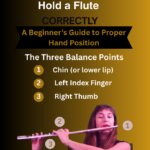
Learning how to play piccolo correctly begins with the posture and hand position. Bad posture leads to tension, which affects tone and endurance.
Here are the basics:
Posture
-
Sit or stand with your spine straight.
-
Keep your shoulders relaxed.
-
Bring the piccolo to your face rather than lowering your head.
Left Hand Position
-
Similar to the flute.
-
Fingers stay curved and relaxed, not flat.
-
Avoid pressing too hard.
Right Hand Position
-
Support the instrument with your right thumb under the body.
-
Curve your fingers naturally around the keys.
Your arms should remain lifted but not tense. Avoid pinching the piccolo with your lips to hold it in place. Good balance between both hands is essential.
How to Form a Clear Piccolo Embouchure 
Mastering the embouchure is one of the most important steps in learning how to play piccolo. Because the instrument is so small, your air direction and lip shape must be precise.
Start With These Tips:
-
Use a Small Aperture
Your lips should form a tiny opening. The piccolo needs a focused stream of fast air. -
Aim the Air Slightly Downward
A downward angle produces a clearer tone and better intonation. -
Keep the Corners Firm
Firm corners help stabilize your sound. But keep the center relaxed. -
Avoid Excessive Pressure
Do not push the piccolo hard against your lips. This can restrict your vibration and create tension.
Spend time practicing long tones. Even a few minutes a day will strengthen your embouchure and help you gain control over the pitch.
Breath Control and Support
Even though the piccolo is small, it requires strong breath support. Learning how to play piccolo means learning how to control your air efficiently.
Focus on:
-
Breathing from the diaphragm
-
Keeping your chest open
-
Using steady air pressure
-
Avoiding shallow breaths
Because the instrument requires less air volume than a flute, some players accidentally use too much air. This creates a harsh, shrill sound. Think of using fast air rather than big air.
Try practicing slow breaths in and out before playing. This helps your body relax and prepares your lungs.
How to Produce a Beautiful Tone on Piccolo
Producing a pleasing tone is one of the greatest challenges when learning how to play piccolo. Many beginners start with a sound that is airy, sharp, or too loud.
Here are some tips to improve your tone:
1. Practice Long Tones Daily
Play one note at a time and hold it. Listen for clarity and adjust your embouchure.
2. Experiment With Angle
Even a tiny change in the angle of your air can dramatically affect the tone.
3. Use a Tuner
Intonation on piccolo is more sensitive than on flute. A tuner helps you adjust your pitch accurately.
4. Don’t Overblow
Most sharpness issues come from too much air pressure. Relax and support your sound instead.
5. Stay Relaxed
Tension in your shoulders, jaw, or lips will limit your resonance.
Tone develops over time. Be patient. Every piccolo player goes through a learning curve.
Finger Technique and Scales
Once you produce consistent notes, you can begin working on finger technique. Scales and arpeggios are essential when learning how to play piccolo.
Start with:
-
C Major
-
G Major
-
D Major
-
F Major
These keys are comfortable and help you build coordination. Use a metronome so your tempo stays steady. Begin slowly. Only increase your speed when your fingers can remain relaxed.
You may also want to practice trills and chromatic passages. Both are common in piccolo literature.
How to Play High Notes on Piccolo
The piccolo shines in the upper register. Learning how to play piccolo well means gaining control over these bright, sparkling high notes.
Tips for mastering the upper range:
-
Use faster, focused air
-
Keep your aperture small
-
Do not roll the piccolo too far inward
-
Stay relaxed in the jaw
If high notes sound sharp or shrill, ease back on your air pressure. Most of the time, less is more.
How to Play Softly on Piccolo
Playing softly is one of the hardest skills. But it becomes easier with regular practice.
Try this:
-
Begin with long tones at piano.
-
Support your breath even when playing softly.
-
Keep the center of your lips relaxed.
-
Use slightly warmer air.
Soft piccolo playing can be magical. It adds color and emotion to any ensemble.
Best Music Books for Learning How to Play Piccolo
To learn how to play piccolo successfully, you will need solid method books. These are some of the best options:
-
Rubank Advanced Method for Flute (suitable for piccolo)
These books help you learn tone, finger technique, and advanced skills.
Piccolo Warm-Ups for Daily Practice
A good warm-up prepares your muscles and mind. It also helps you build habits that will support long-term growth.
Try this short routine:
-
Breathing exercises
-
Long tones (5–10 minutes)
-
Slow scale practice
-
Arpeggios and intervals
-
Short technical drills
Doing this every day strengthens your embouchure and improves your endurance.
Common Mistakes Beginners Make
When learning how to play piccolo, many beginners experience the same challenges. Being aware of them helps you progress faster.
1. Using too much air
This leads to sharp intonation and a harsh tone.
2. Rolling the piccolo too far in
This restricts tone and limits flexibility.
3. Pressing too hard with the lips
This creates tension and weakens your sound.
4. Skipping fundamentals
Players often jump into fast music too soon. Strong basics matter.
5. Neglecting ear training
Listening is key to good intonation.
Avoiding these mistakes will help you develop confidence and consistency.
How to Practice Effectively
Good practice habits make learning how to play piccolo much easier. Here are a few tips:
-
Set small goals for each session.
-
Practice short sections instead of entire pieces.
-
Record yourself to check tone and pitch.
-
Take breaks to avoid fatigue.
-
Stay patient and consistent.
Improvement comes from regular, focused practice—not from speed.
Taking Piccolo Lessons
If you want to learn how to play piccolo faster, consider taking private lessons. A skilled teacher can help you fix small issues, develop your tone, and build strong technique. Online lessons can also be effective.
Many flute teachers, including those with years of experience, teach beginners and advanced students how to play piccolo with confidence. Look for a teacher who focuses on tone development, breathing, and musical expression.
Final Thoughts
Learning how to play piccolo is rewarding and exciting. The instrument may be small, but its voice is powerful and expressive. With patience, support, and consistent practice, you can master it. Start with the basics, learn proper posture, develop a strong embouchure, and build your musical skills step by step. Over time, you will develop a beautiful tone and the confidence to perform in any setting.
If you commit to your practice and enjoy the journey, the piccolo will become one of the most joyful instruments you ever play.
Enjoyed this article? Download my FREE Flute Gift and receive 5 beginner hymns plus a printable practice tracker.


You Might Also Like: