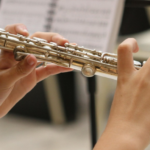
Flute ensemble music offers a rich tapestry of sounds that can both enchant and inspire. As versatile as the instrument itself, flute ensembles encompass a variety of musical styles and configurations, from duets to larger flute choirs.
Each musician’s unique voice combines to create harmonies that are both delicate and powerful. The flute’s range and timbre allow for inventive arrangements, blending seamlessly with other instruments or standing alone in brilliant clarity.
Whether you’re a seasoned flutist or an enthusiastic beginner, exploring flute ensemble music can elevate your musical journey. As you dive into this world, you’ll uncover how multiple flutes can transform simple melodies into intricate, dynamic compositions.
In this blog post, we’ll explore the allure of flute ensembles, present different ensemble types, and share tips for creating your own beautiful flute ensemble pieces. Prepare to discover the enchanting soundscape that only a flute ensemble can deliver.
Exploring the Rich History of Flute Ensemble Music
The history of flute ensemble music is a journey through time, reflecting cultural changes and innovations in music. Dating back to the medieval period, the use of flutes in consorts brought a new dimension to sacred and secular music.
As the Baroque era unfolded, the expansion of flute craftsmanship enabled composers like Johann Joachim Quantz to explore new possibilities, composing works that enriched the flute repertoire. Such advancements spurred ensembles to include various sizes of flutes, from the piccolo to the alto and bass, diversifying their sound.
The Classical and Romantic periods continued this evolution, with composers like Friedrich Kuhlau and Franz Doppler contributing stylistically intricate works. These periods laid the groundwork for modern flute choirs and quartets, establishing a tradition that continues to flourish today.
In modern times, contemporary composers embrace the flute’s adaptability, creating innovative ensemble pieces that span genres from classical to jazz and world music. This ongoing evolution highlights the timeless allure and versatility of flute ensemble music, inviting musicians and listeners alike to explore its rich tapestry.
The Unique Dynamics of Flute Ensemble Performances
Flute ensemble performances captivate audiences with their blend of technical precision and emotive expression. Each ensemble, whether a duo or a large choir, showcases the flute’s ability to create a vocal-like quality that resonates with listeners.
Ensemble Techniques and Nuances
Musicians within an ensemble must master the art of balance, ensuring that individual parts complement rather than overshadow each other. This requires acute listening skills and a deep understanding of musical phrasing. In larger ensembles, the challenge lies in maintaining cohesion while allowing each flute voice its moment to shine.
Flute ensembles often incorporate a range of instruments, from the bright piccolo to the rich-toned bass flute. This variety enriches the ensemble’s sound palette, offering performers the chance to explore diverse character roles within a single piece.
Performers often experiment with repertoire, improvisation, and extended techniques, adding texture and excitement to their performances. This creative freedom transforms each concert into a unique auditory experience, captivating audiences with its unexpected twists and ethereal quality.
Ultimately, flute ensemble performances offer something truly special, blending refined musicianship with the flute’s inherent versatility to engage and inspire.
Benefits of Playing in a Flute Ensemble
Participating in a flute ensemble offers both musical and personal growth, becoming a rewarding experience for musicians of all levels. One key benefit lies in the development of collaborative skills, as ensemble members learn to listen attentively and communicate effectively to achieve a harmonious performance.
Flute ensembles also provide the opportunity for flutists to explore a diverse repertoire. From classical to contemporary and even experimental genres, players can broaden their musical horizons and enhance their adaptability. This exploration fosters creativity and keeps the musical experience fresh and engaging.
Technical proficiency is another advantage of ensemble playing. Tackling various parts, from challenging melodies to supportive harmonies, strengthens individual musicianship. The ensemble setting also encourages improvisation and experimentation, nurturing confidence and versatility.
Playing in a flute ensemble cultivates a sense of community and shared purpose. Musicians build lasting connections through rehearsals and performances, supporting each other’s progress and celebrating successes together.
Tips for Starting Your Own Flute Ensemble
Embarking on the journey to form your own flute ensemble can be both exciting and fulfilling. To begin, gather a group of enthusiastic flutists who share a common interest in exploring ensemble music. Engaging with local music communities or online forums can be a great way to connect with potential members.
Once your group is assembled, focus on selecting a repertoire that suits the skill level and interests of your ensemble. Start with simple arrangements to build confidence and gradually introduce more challenging pieces as skills develop. Consider exploring a variety of styles to keep the experience diverse and enjoyable.
Regular and consistent practice is essential for developing cohesion within the ensemble. Schedule rehearsal times that are convenient for all members and establish clear goals for each session to maximize productivity.
Ensure open communication within the group, encouraging members to share their ideas and feedback. This collaborative environment will help the ensemble grow and evolve, fostering a sense of camaraderie and shared artistic vision.
Finally, consider performing in informal settings to gain experience and confidence before arranging formal concerts. Community events, recitals, or even casual gatherings can provide a supportive platform to showcase your ensemble’s progress and connect with audiences.
How to Arrange Music for Flute Ensemble
Arranging music for a flute ensemble is a creative process that allows you to reimagine existing pieces or compose original works tailored to your group. Begin by selecting a piece of music that suits the ensemble’s style and proficiency level. Analyze the original arrangement to understand its structure, harmonies, and main themes.
Next, consider the unique qualities of the flutes in your ensemble, from the bright, clear sound of the piccolo to the deep, resonant timbre of the bass or alto flute. Use these voices to create a balanced arrangement by distributing melodies, harmonies, and counter-melodies effectively among the different parts.
Pay attention to the dynamics, articulations, and phrasing, which can enhance the expressive character of your arrangement. Consider arranging sections in a way that allows each member to shine, alternating roles between solo and accompanying parts to add variety.
Collaborate with your ensemble members during the arrangement process, seeking their input and allowing them to test sections. This interaction helps identify practical playability issues and inspires further creative ideas.
Finally, ensure your arrangement is well notated, with clear instructions and cues for dynamics and tempo changes. This precision will facilitate smooth rehearsals and performances, bringing your musical vision to life.
Top Flute Ensemble Pieces to Include in Your Repertoire
Building a diverse repertoire is key to keeping your flute ensemble engaged and challenged. For those starting out, consider the "Flute Quartet in D Major, Op. 145" by Friedrich Kuhlau, a staple that showcases classical elegance and technical precision.
For a taste of vibrant energy, add "Aires Tropicales" by Paquito D’Rivera to your collection. This piece fuses Latin rhythms with classical influences, offering an exciting and rhythmic challenge.
The "Three Shanties" by Malcolm Arnold provides a delightful foray into folk-inspired music, with its playful themes and humorous twists. Each movement captures a distinct character, making it a favorite for audiences and performers alike.
Explore contemporary sounds with "Voices of Nagasaki" by Ichiro Hatanaka. This composition pushes the boundaries of traditional flute music, incorporating extended techniques and evocative soundscapes that resonate deeply with listeners.
Finally, don’t overlook the classics. Arrangements of works like J.S. Bach’s "Brandenburg Concerto No. 3" can be adapted for flute ensemble, allowing your group to experience the brilliance of Baroque music firsthand.
Including these pieces in your repertoire will add variety and depth, ensuring your flute ensemble continues to evolve and captivate.
Techniques for Improving Flute Ensemble Performance
Enhancing the performance quality of a flute ensemble involves a combination of technical refinement and effective communication. Begin by focusing on ensemble intonation. Regular tuning exercises, such as unison scales and intervals, can help the group achieve a clear and unified sound.
Developing Ensemble Cohesion
Achieving cohesion requires synchronized timing. Practice with a metronome to build a strong sense of rhythm and pacing, then shift to internalizing the pulse. Encourage members to use visual cues, such as bodily movement, to maintain synchronization throughout the performance.
Balance in sound can greatly impact the ensemble’s overall texture. Work on dynamic contrast, ensuring that no single part overpowers the others unless intended. It is important to recognize the role of each part—melodic or accompaniment—and adjust the dynamics accordingly.
Enhance musical expression by focusing on phrasing. Practice breathing together to create smooth, connected lines that mimic vocal expressions. Experiment with different articulations to add character and bring the music to life.
Regularly recording rehearsals provides valuable feedback, allowing the group to objectively assess areas needing improvement. This technique enables a continuous cycle of refinement and growth, ensuring each performance showcases the ensemble’s collective talent and dedication.
The Bottom Line: Embracing the Beauty of Flute Ensemble Music
In summary, the enchanting world of flute ensemble music opens a vast realm of creative possibilities and musical exploration. Whether you’re an experienced musician or new to ensemble playing, the journey of collaborating with fellow flutists enriches your musical and personal development.
Throughout this blog, we’ve uncovered the history, dynamics, and repertoire that make flute ensembles unique. From the technical aspects to the vibrant community spirit they foster, flute ensembles offer a rewarding platform for expression and growth.
Starting your own ensemble, arranging music, and mastering performance techniques are all elements that contribute to a fulfilling musical experience. The process involves continuous learning, from understanding each other’s musical voices to experimenting with diverse compositions. There’s an undeniable joy in creating harmonies and sharing the transformative power of music with your audience.
As you embark on this musical adventure, remember that communication and collaboration are at the heart of successful ensemble performance. Embrace the diverse sounds and textures that flute ensembles can produce and enjoy the challenge of bringing each piece to life.
Ultimately, flute ensemble music invites us all to engage with music in a deep, meaningful way. It encourages creativity and collective achievement, providing both musicians and audiences with an unparalleled auditory journey. So, whether you’re playing in an ensemble or enjoying a performance, cherish the beauty and intricacy of flute ensemble music. Let it inspire you, surprise you, and lead you on an unforgettable musical path.
Enjoyed this article? Download my FREE Flute Gift and receive 5 beginner hymns plus a printable practice tracker.


You Might Also Like: