Children are natural-born learners with an insatiable curiosity and boundless energy. Harnessing this enthusiasm can be as simple as pressing play on a catchy tune. Educational songs are a powerful tool to make early learning both fun and impactful.
Preschoolers thrive in environments where they can explore and express themselves. Music offers the perfect avenue to engage them in a playful and meaningful way. Whether it’s learning numbers through a fun counting song or exploring the alphabet with a lively sing-along, these musical activities support cognitive development, memory, and social skills.
Through rhythmic repetition, kids grasp essential concepts without even realizing they’re learning. This effortless learning forms a solid foundation for their educational journey. So get ready to hit those high notes and make learning an irresistibly joyful experience!
How Educational Songs Benefit Preschoolers’ Learning
Music is more than entertainment—it’s an educational powerhouse for young children. Introducing preschoolers to educational songs can significantly bolster their development in surprising ways.
Boosting Language Skills
Singing along to tunes helps children learn new vocabulary and understand language patterns. Rhyming words and catchy melodies make it easier for them to pronounce words correctly and grasp new concepts. Over time, this boosts their confidence in verbal communication.
Enhancing Memory and Recall
Songs with repetitive lyrics strengthen memory retention. When toddlers hear and repeat phrases in songs, they’re practicing recall skills that will benefit them in other learning contexts. This method of reinforcement is a gentle technique that can lay the groundwork for more complex learning later on.
Educational songs are also great for fostering a love of learning. They create a stress-free environment where young minds can explore and explore with ease. By incorporating songs into everyday activities, you’re gifting children a lifelong love for learning, all through the magic of music!
Choosing the Right Educational Songs for Different Learning Objectives
Selecting the ideal songs for preschoolers requires understanding your desired learning outcomes. Each song can target specific skills, so it’s important to match tunes with educational goals.
For building foundational language skills, look for songs that emphasize phonics and simple vocabulary. Alphabet songs with catchy choruses can help children learn letters and sounds effectively.
If the aim is to boost numeracy, counting songs are perfect. These tunes use melody to reinforce the understanding of numbers and basic counting. Songs that include counting backward or skip counting add an extra challenge for eager learners.
To foster social and emotional development, choose songs that explore feelings and interactions. These songs can introduce concepts like sharing, empathy, and cooperation through stories and characters that resonate with young listeners.
When teaching about the world around them, educational songs about animals, nature, or community helpers offer rich content. These songs expand preschoolers’ understanding of their environment in a fun and engaging way.
By intentionally choosing songs that align with learning objectives, you can create a diverse and enriching musical experience for preschoolers, setting them up for success as they grow and learn.
Incorporating Movement and Dance into Educational Songs
Adding movement to educational songs takes learning to a new level by engaging children’s whole bodies and sharpening their coordination. This combination of music and motion stimulates brain development and makes learning intensely memorable.
Bringing Songs to Life with Actions
Action songs that pair lyrics with specific dance moves can help children follow instructions and develop listening skills. Songs with simple directions, like reaching up or clapping hands, encourage preschoolers to coordinate their movements with the rhythm, boosting their motor skills.
Dance routines can also enhance understanding of concepts. Incorporating steps that mimic the actions described in a song can deepen comprehension. For instance, hopping like a frog or stomping like an elephant helps children connect physical actions with new vocabulary.
Additionally, moving to the music promotes physical fitness, which supports healthy growth. It provides an outlet for energy and can improve mood, turning learning sessions into fun-filled physical activities.
By weaving dance and actions into educational songs, you create an immersive learning experience that kids will love. It’s a joyful way to teach, learn, and play all at the same time!
Creating a Fun and Engaging Educational Song Routine
Developing a routine with educational songs offers structure and consistency, crucial for young learners. By incorporating songs into daily activities, you can make learning both predictable and exciting.
Start with a morning song to set a positive tone for the day. Simple tunes that cover greetings and daily objectives can get kids excited about what’s ahead. This establishes a welcoming atmosphere and eases transitions from home to learning environments.
Incorporate themed songs that align with the day’s lessons. Whether it’s focusing on a letter of the week or exploring a new animal, theme-related songs reinforce learning topics and maintain focus.
Transition songs are also helpful for moving between activities. Short, upbeat tunes signal changes in routine, helping children adjust smoothly to new tasks while keeping the atmosphere lively.
Finally, a winding-down song aids in wrapping up the day. This could involve a calm melody that reflects on what was learned. It helps settle energetic minds and prepares them for rest, imprinting the day’s lessons seamlessly.
By strategizing when and how to use educational songs, you cultivate an environment rich in music and learning that children can look forward to daily.
Integrating Educational Songs into Daily Preschool Activities
Integrating educational songs into everyday activities transforms regular routines into learning opportunities. These melodic interactions seamlessly blend play with education, making learning a natural and enjoyable part of the day.
During morning circle time, songs can welcome children and introduce the day’s weather or calendar changes. Singing about the seasons or counting days enlivens these routine discussions, helping children absorb information effortlessly.
Snack time is perfect for songs that introduce healthy habits and nutrition. Rhymes about fruits, vegetables, and washing hands not only entertain but also instill valuable life skills.
Clean-up time offers another chance for engagement. A tidy-up song motivates kids to collaborate, reinforcing the importance of cooperation and responsibility. Rhythmic prompts encourage swift, joyful participation.
Free play sessions benefit from background music that aligns with current learning themes, providing a subtle yet effective reinforcement of educational topics throughout discovery and exploration.
By weaving educational songs into various parts of the preschool day, you enrich and elevate every moment, turning simple tasks into profound learning experiences. This approach instills a love of learning, ensuring that education feels less like work and more like play.
Conclusion: Fostering Early Learning Through Musical Engagement
Incorporating educational songs into the preschool experience is not just about fun and games—it’s a strategic way to nurture early learning. Music offers a dynamic means to engage young minds, helping children build crucial skills in a gentle and enjoyable manner.
The power of music lies in its ability to make learning accessible and exciting. When paired with movement and dance, songs stimulate cognitive, social, and physical development. This holistic approach aids not just in academic growth but in fostering well-rounded individuals prepared for future challenges.
Creating routines filled with musical activities helps structure the day, turning ordinary moments into valuable learning experiences. With each tune, children gain confidence, mastering new concepts and developing lifelong skills.
Additionally, the versatility of educational songs means they can enrich diverse activities, from morning greetings to clean-up time, promoting an environment where learning happens everywhere and at any time. This continuous exposure reinforces concepts without pressure, making education a stress-free adventure for curious children.
Ultimately, when we embrace the power of music as an educational tool, we empower our preschoolers to explore, discover, and learn with joy. We set them on a path where learning is not merely an obligation but a delightful journey. So let’s continue to sing, dance, and learn, making music the heart of education for young learners!
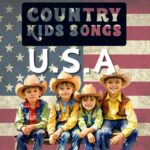
Please listen to the preschool album, Animals and Heroes by our featured artist Country Kids Songs on Spotify.
Enjoyed this article? Download my FREE Flute Gift and receive 5 beginner hymns plus a printable practice tracker.


You Might Also Like: