Rhythm and melody have a magical way of making lessons stick. For elementary students, educational songs transform learning into an engaging, memorable experience.
Picture a classroom buzzing with excitement as children sing about the water cycle or multiplication tables. This dynamic atmosphere boosts their enthusiasm and makes complex concepts easier to grasp.
These catchy tunes cater to diverse subjects, from spelling and grammar to science and history, offering young learners a creative and fun way to absorb information. By incorporating music, teachers can maintain students’ attention, enhance memory retention, and foster a joyful learning environment.
Let’s explore how these delightful ditties can become essential resources throughout the school day.
Engaging Benefits of Using Educational Songs in the Classroom
Educational songs hold a unique power to animate the classroom and enrich students’ learning experiences. They cater to auditory, visual, and kinesthetic learners all at once, providing a multisensory approach to education.
One of the most significant benefits is increased retention. Catchy lyrics and melodies help students remember information in a way that textbooks cannot. Think of the classic “ABC” song—its tune has helped countless children learn the alphabet effortlessly.
Songs also aid in developing language skills. Singing along improves vocabulary, pronunciation, and grammar, all while students enjoy themselves. This makes language acquisition a natural and engaging process.
Alongside this, music fosters a positive classroom atmosphere. It can reduce anxiety, enhance motivation, and encourage participation and cooperation among students. This, in turn, leads to improved social skills and a stronger classroom community.
Finally, using educational songs can break the monotony of traditional teaching methods. They offer teachers a creative avenue to reinforce lessons, making the school day vibrant and dynamic while ensuring educational goals are met.
Incorporating Music Into Various Subjects: A Comprehensive Approach
Integrating educational songs into different subjects transforms standard lessons into dynamic learning experiences. From math to science, music has the potential to illuminate core concepts with ease.
In math, rhythmic chants can simplify multiplication tables or fractions, turning them into something playful and engaging. Students grasp mathematical operations through hands-on, musical interaction, which makes abstract ideas concrete.
Science lessons come alive with songs about the water cycle, planets, or even the human body. These tunes help students visualize processes and systems, facilitating deeper understanding and engagement with the material.
For language arts, songs introduce new vocabulary and storytelling techniques. They are invaluable tools for developing comprehension, writing skills, and sparking creativity in students as they craft their own narratives or poems.
History can also benefit, as songs about historical events or figures provide context and make stories from the past more relatable. They enable students to connect emotionally with the material, fostering a lasting interest in history.
By weaving music into lessons across various subjects, educators provide a rich, immersive educational experience that captivates young learners’ imagination and curiosity.
Enhancing Memory Retention Through Catchy Tunes and Lyrics
Catchy tunes have an extraordinary ability to enhance memory retention, making them invaluable in an educational setting. This powerful tool taps into the brain’s natural rhythm, embedding information through music in a way that traditional methods might not achieve.
Research shows that melodies facilitate recall by organizing information into easily digestible chunks. When students pair facts with a tune, the brain creates associations, making it easier to retrieve information later.
The repetitive nature of songs reinforces learning. As students sing along, they practice and memorize content without the monotony often associated with rote learning. This repetition is both enjoyable and effective, leading to long-term retention.
Additionally, catchy lyrics can ignite emotional connections with the material. When students relate emotionally to a subject, their engagement increases, further strengthening memory pathways.
By using memorable melodies and clever lyrics, educators can transform challenging concepts into something memorable and accessible. This approach not only boosts retention but also cultivates a love for learning that extends beyond the classroom walls.
Fostering Classroom Engagement and Participation with Musical Elements
Incorporating music into the classroom does wonders for engagement and participation. Music naturally attracts students’ attention, providing an interactive platform for them to express themselves while learning.
Through song, students are more likely to participate actively. Singing together encourages teamwork and cooperation, creating a sense of unity and belonging. This collective engagement helps establish a positive classroom culture where every student feels included.
Musical activities often spark excitement and enthusiasm. This energy permeates the classroom, turning passive learners into active participants eager to contribute and share. When students are excited, their willingness to dive into new subjects increases, setting the stage for effective learning.
Furthermore, music requires students to listen closely, follow along, and engage with the material. This attentiveness naturally boosts their focus and concentration, supporting a more productive learning environment.
By weaving musical elements into daily lessons, teachers can transform their classrooms into vibrant spaces full of curiosity and collaboration. This energetic atmosphere not only fosters participation but also inspires students to take an active role in their educational journey.
Maximizing Learning Potential with Song-based Activities Beyond Music Class
Song-based activities have the potential to sweep through more than just music class, enriching various areas of learning. Leveraging these activities across subjects can catalyze students’ understanding in a holistic way.
Incorporating songs into language lessons aids in developing pronunciation, rhythm, and fluency. Students mimic the patterns of a language, absorbing new vocabulary in an enjoyable and practical manner that reinforces language skills.
In science, using songs to describe natural phenomena or periodic table elements simplifies complex ideas. The rhythm and rhyme make it easier for students to grasp intricate processes and retain scientific knowledge.
Social studies classes, too, can capture students’ imaginations with historical songs that transport them back in time. These melodies invoke curiosity about past cultures and events, facilitating a deeper learning experience.
Even in physical education, music motivates movement through choreographed routines that enhance coordination and fitness. This multifunctional approach ensures active participation while keeping students energized and engaged.
Song-based activities, when thoughtfully integrated, unlock a wealth of learning potential. They bridge the gap between entertainment and education, ensuring that students gain valuable knowledge while having fun in every corner of the school day.
The Bottom Line: Sustaining Educational Value with Musical Learning Tools
In conclusion, educational songs serve as powerful tools that can significantly enhance learning experiences for elementary students. By seamlessly integrating music into the curriculum, educators can make seemingly daunting subjects approachable and enjoyable.
The benefits of musical learning extend beyond engagement; they build a strong foundation for memory retention, aiding students in recalling vital information long after lessons end. These catchy tunes and compelling lyrics create emotional connections that enhance understanding and foster an enduring love of learning.
Coupled with this, music encourages active participation and collaboration. When students engage in song-based activities, they develop essential social skills and build a sense of community within the classroom. This communal spirit cultivates a positive, inclusive environment where students feel comfortable exploring new concepts.
Furthermore, diversifying teaching methods with music introduces students to a variety of learning styles, ensuring that every child has the opportunity to grasp material in a way that suits them best. This not only supports academic success but also nurtures creativity and critical thinking skills.
Ultimately, incorporating music into everyday lessons sustains educational value by making learning dynamic and accessible. As educators strive to inspire and motivate their students, musical tools offer a valuable bridge between traditional instruction and innovative learning strategies. With music as an ally, the journey of education becomes as harmonious as it is enlightening.
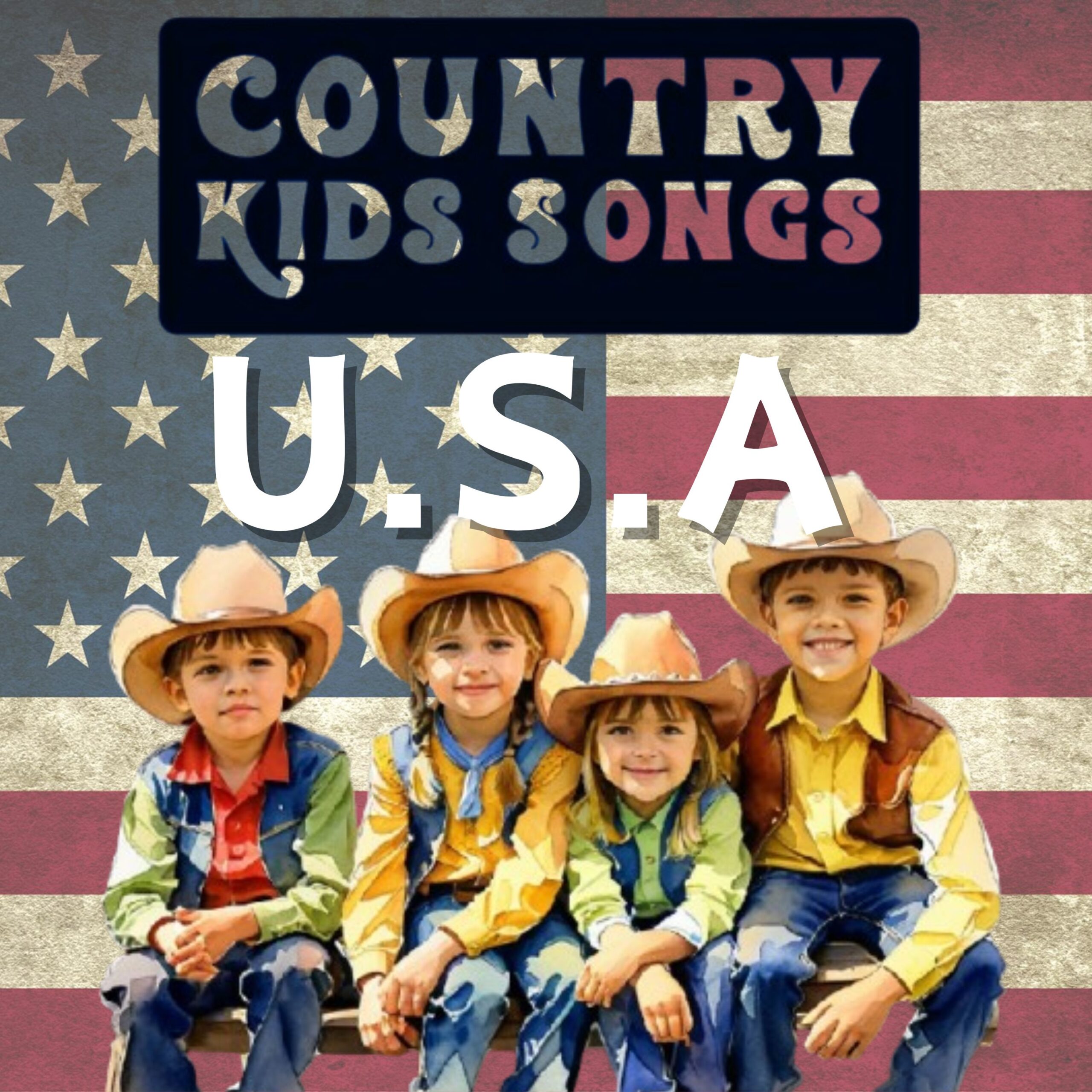
Listen to the album, USA by Country Kids Songs for more educational songs for elementary students.
Enjoyed this article? Download my FREE Flute Gift and receive 5 beginner hymns plus a printable practice tracker.


You Might Also Like: