Embarking on a musical journey with the flute can be both exhilarating and rewarding. Whether you’re a parent considering lessons for your child or an adult eager to explore a new hobby, understanding the financial aspect is crucial.
Flute lessons often vary in cost based on factors like location, teacher expertise, and lesson duration. Having a clear picture of what to expect financially allows you to budget wisely and select the best learning environment.
This guide will walk you through the average costs associated with flute lessons, breaking down different pricing models and additional expenses that may arise. By the end of this article, you’ll have a thorough understanding of what investing in flute education entails and how you can make the most informed decision.
Factors Affecting Flute Lesson Costs
When planning for flute lessons, it’s essential to consider the various elements that influence pricing. Each factor plays a role in shaping your overall investment and learning experience.
Teacher’s Expertise and Reputation
One of the most significant factors is the teacher’s expertise and reputation. Highly experienced instructors or those with a strong track record of success often charge higher rates. They bring a wealth of knowledge, ensuring quality instruction tailored to your needs.
Geographic Location
Location also impacts lesson pricing. Urban areas usually have higher costs due to increased demand and living expenses. In contrast, lessons in suburban or rural areas may be more budget-friendly but could require travel for diverse options.
Lesson Duration and Frequency
Consider the length and frequency of lessons. Typical sessions range from 30 to 60 minutes. Longer or more frequent lessons naturally result in higher costs but can accelerate progress.
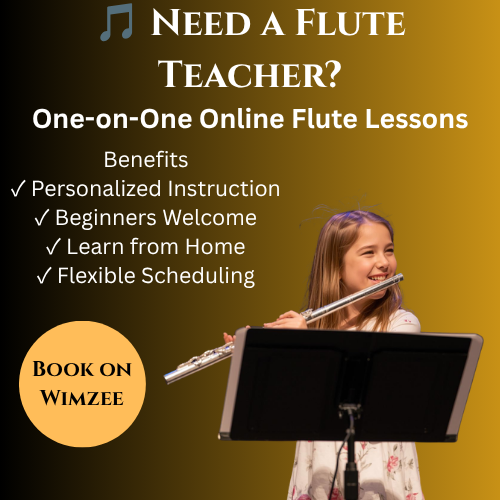
Finally, whether lessons are in-person or online can affect pricing. Online lessons might offer more flexibility and competitive rates, making them a viable alternative for budget-conscious learners.
Understanding these factors helps tailor your flute learning experience to suit your budget and aspirations.
The Average Price Range for Flute Lessons
Flute lesson costs can vary widely, but understanding the average price range helps set realistic expectations. Generally, lessons can start as low as $20 per half-hour session and reach up to $100 or more for an hour with a highly sought-after instructor.
For beginner students, group classes might be available at a lower cost. Group settings often range from $15 to $30 per session, providing an affordable entry point while still delivering foundational skills.
Private Lesson Cost Variations
Private lessons tend to be pricier, reflecting the one-on-one attention and personalized instruction provided. For intermediate or advanced players, this individualized approach, typically between $40 and $70 for an hour, supports more targeted development.
When considering lesson frequency, some instructors offer package deals, reducing overall costs for committed students. Discounts or bundled sessions encourage regular practice and progress.
These price ranges can be influenced by the factors previously mentioned, such as the teacher’s background and lesson location. Being mindful of these variations allows you to choose a lesson plan that matches both your financial situation and musical goals.
Quality Vs. Cost: Finding the Right Balance
Navigating the balance between quality and cost in flute lessons is a pivotal aspect of your musical journey. Investing wisely ensures a fulfilling learning experience without straining your budget.
Evaluating Teacher Credentials
Consider the credentials and teaching philosophy of prospective instructors. While higher fees often indicate seasoned professionals, a passionate and organized teacher with less experience may equally foster your growth. Seek recommendations or reviews to gauge satisfaction from their current or former students.
Determining the right lesson structure is crucial. While private lessons cater to personalized learning goals, group lessons offer peer interaction and motivation. Assess which environment aligns with your personal learning style and objectives.
Assessing Value Beyond Price
Keep in mind that value extends beyond just the lesson cost. A higher-priced instructor may offer materials, extra practice assignments, or digital resources that enhance your experience. Incorporate these extras into your cost evaluation.
Ultimately, achieving the right balance involves a blend of thorough research and clear communication with your potential teacher. Being informed about what you’re paying for ensures your investment results in both musical progress and satisfaction.
Tips for Negotiating Flute Lesson Prices
Negotiating lesson prices can be an effective way to tailor costs to fit your budget while still securing quality instruction. Open communication is key in reaching a mutually beneficial arrangement.
Understand Market Rates
Start by researching local market rates for flute lessons to set a reasonable negotiation baseline. Knowing typical costs in your area creates a foundation for productive discussions with potential instructors.
When discussing rates with a teacher, point out your long-term commitment to learning as this can sometimes encourage them to offer discounts or package deals. Many teachers appreciate students who show dedication and a genuine interest in progressing.
Another approach is to ask about referrals or group lessons. Bringing in more students can offer leverage in negotiating individual costs, particularly if the instructor sees the potential for increased business.
Finally, consider asking for a trial period at a reduced rate. This offers a chance to evaluate compatibility with the instructor before making a long-term commitment, making it easier to agree on terms that satisfy both parties.
Hidden Costs to Consider
When budgeting for flute lessons, it’s essential to factor in potential hidden costs that might arise throughout your musical journey. Being aware of these can prepare you for a more comprehensive financial plan.
Instrument maintenance is a crucial aspect often overlooked. Regular tuning, cleaning, and potential repairs can add up over time. Ensuring your flute is in top condition is vital for preserving sound quality and playability.
Another consideration is the purchase of sheet music and instructional materials. While some teachers provide these resources, others may require their students to buy specific books or repertoire, which can incur additional expenses.
Participation in recitals or competitions might also come with entry fees or specialized attire costs. Engaging in these activities enriches the learning experience but could stretch your budget unexpectedly.
Finally, account for travel costs if lessons require commuting. Whether it’s public transport or fuel expenses, these small costs can accumulate over the duration of your learning period.
Anticipating these hidden costs helps you manage your finances effectively, ensuring a smooth and uninterrupted path to achieving your musical goals.
The Bottom Line: Making the Most of Your Investment
Ultimately, investing in flute lessons can be a deeply rewarding journey that enriches both your musical skills and personal growth. However, being informed about potential costs and smart budgeting is essential to maximizing the value of your investment.
Start by understanding the factors influencing lesson prices and identifying what aligns best with your learning needs and financial situation. By balancing quality with cost, you ensure that the instruction you receive profoundly benefits your progress.
Consider negotiating the price to find an arrangement that satisfies both you and your instructor. This not only helps financially but can also foster a strong, long-term student-teacher relationship.
Also, remember to keep an eye on possible hidden expenses, such as maintenance and materials. Planning for these early on prevents unexpected financial strain and keeps your focus on what truly matters—playing and enjoying music.
Finally, the key to making the most of your investment is regular practice and engagement with the material. Take advantage of every resource and opportunity provided by your instructor, from workshops to recitals, to enhance your learning experience.
With thoughtful consideration and commitment, your flute lessons can become a meaningful, lifelong pursuit. By following these guidelines, you’re well on your way to not only easing the financial load but also genuinely enjoying your musical journey.
Enjoyed this article? Download my FREE Flute Gift and receive 5 beginner hymns plus a printable practice tracker.


You Might Also Like: